

Toenail Fungus Treatment in Costa Mesa
The Complete Patient Guide to Understanding, Diagnosing, Treating, and Preventing Toenail Fungus
If you're concerned about thick, yellow, brittle, or discolored toenails, you're not alone. Toenail fungus is one of the most common nail conditions affecting adults, yet it is also one of the most frequently misunderstood.
Many people spend months—or even years—trying over-the-counter products without success. In many cases, the problem isn't the treatment itself—it's that not every abnormal toenail is caused by fungus, and not every fungal infection responds to the same approach.
Drawing on more than 40 years of treating patients in Orange County, Dr. Ivar E. Roth, Board Certified Foot & Ankle Surgeon, created this guide to help you understand what toenail fungus is, what causes it, how it is accurately diagnosed, and the treatment options available so you can make informed decisions about your foot health.
Whether you're just beginning to notice changes in your toenails or you've struggled with recurring fungal infections for years, this guide will walk you through each step—from diagnosis to treatment to prevention.
Ready for a Professional Evaluation?
If you'd like an accurate diagnosis and personalized treatment recommendations, schedule an appointment with Dr. Roth.
About This Guide
Reviewed by
Dr. Ivar E. Roth D.P.M., M.P.H.
Board Certified Foot & Ankle Surgeon (A.B.F.A.S.)
✓ More than 40 years treating Orange County patients
✓ Designed to help patients make informed decisions
✓ Last Updated: August 2026

QUICK FACTS
Approximately 10% of the general population—and a much higher percentage of older adults—will develop a fungal nail infection during their lifetime. It often begins gradually and may affect just one nail before spreading to others if left untreated.

Patients commonly seek treatment because of:
Thickened or difficult-to-trim nails
Yellow, white, or brown discoloration
Brittle or crumbly nails
Separation of the nail from the nail bed
Pain or pressure while walking
Embarrassment about the appearance of their feet
Difficulty wearing shoes comfortably
Although toenail fungus is rarely a medical emergency, it can become increasingly difficult to treat over time. For patients with diabetes, circulation problems, or weakened immune systems, prompt evaluation is especially important.
Introduction
What Is Toenail Fungus?
Toenail fungus, medically known as Onychomycosis, is an infection that develops when microscopic fungi grow beneath or within the nail. These organisms thrive in warm, moist environments such as shoes, locker rooms, public showers, and around swimming pools.
As the infection progresses, the nail may become thickened, discolored, brittle, distorted, or begin to separate from the nail bed. While many fungal infections are painless in the early stages, they often become more difficult to manage if left untreated.
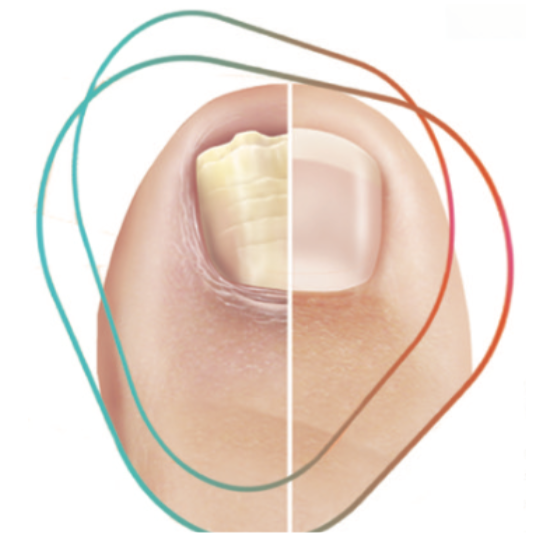
One of the most important things patients should know is that not every thick or discolored nail is caused by fungus. Trauma from running, psoriasis, eczema, aging, and other medical conditions can produce changes that closely resemble a fungal infection. For that reason, an accurate diagnosis is the first step toward selecting the most appropriate treatment.
At Concierge Podiatry & Spa, Dr. Roth performs a careful evaluation of each patient rather than assuming every abnormal nail is fungal. This helps avoid unnecessary treatments and ensures that patients receive recommendations based on the underlying cause of their nail changes.
Dr. Roth’s Clinical Insight
"One of the questions I ask patients is, 'When did you first notice the change?' Many people tell me it started years ago, but because it didn't hurt, they ignored it. By the time they come into the office, the nail has often become much thicker and more difficult to treat. The earlier we evaluate the problem, the more options we typically have."
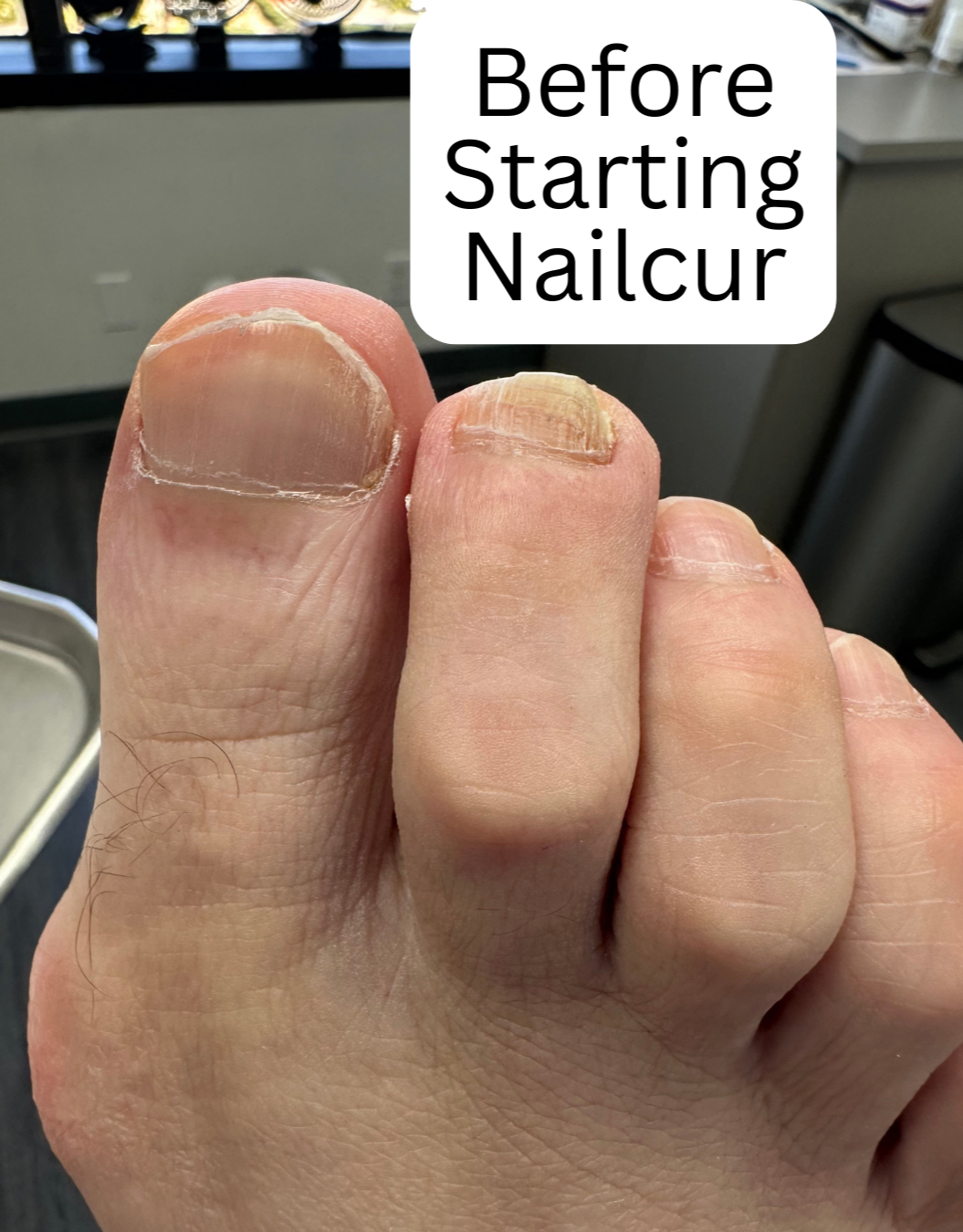
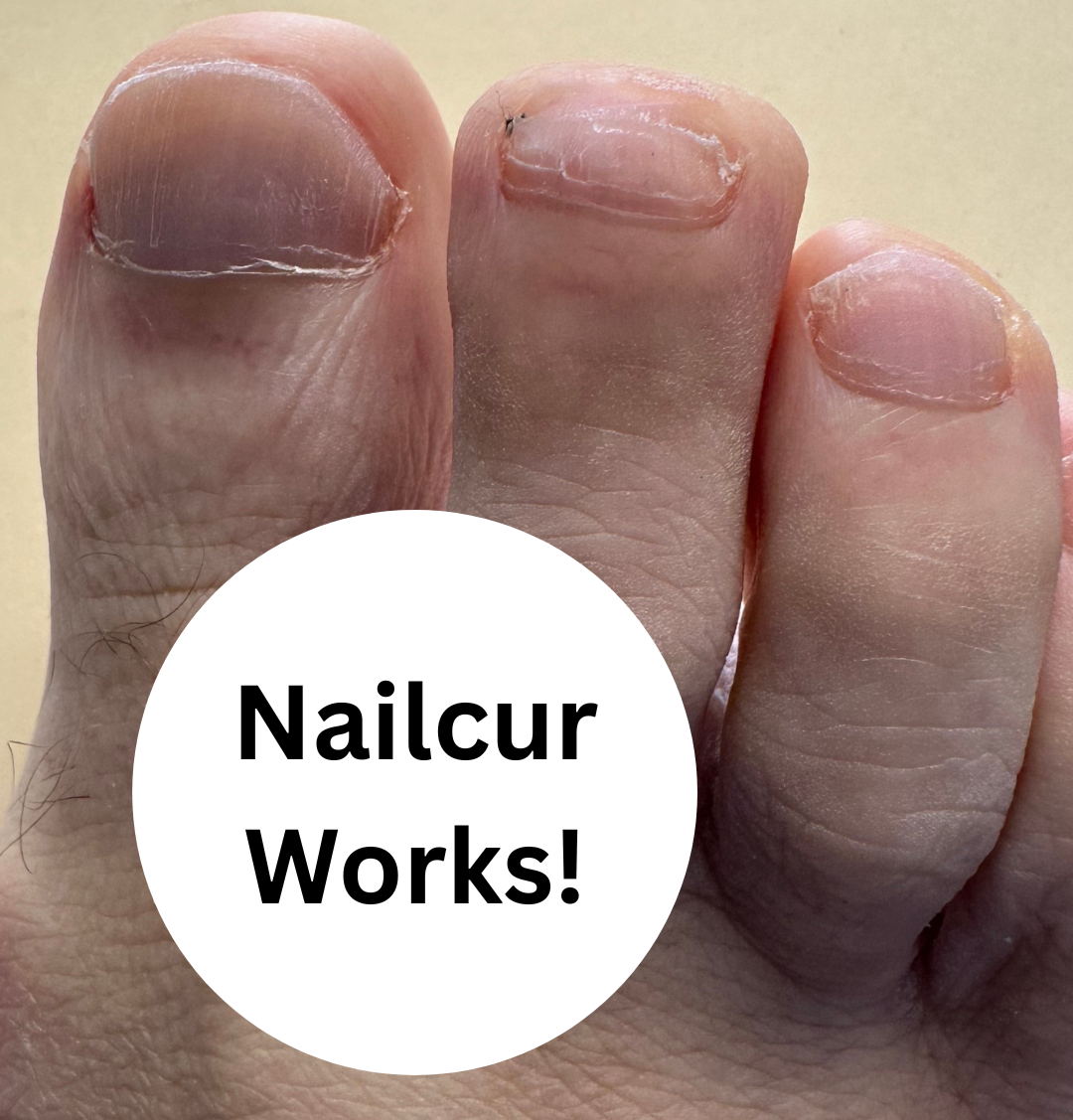
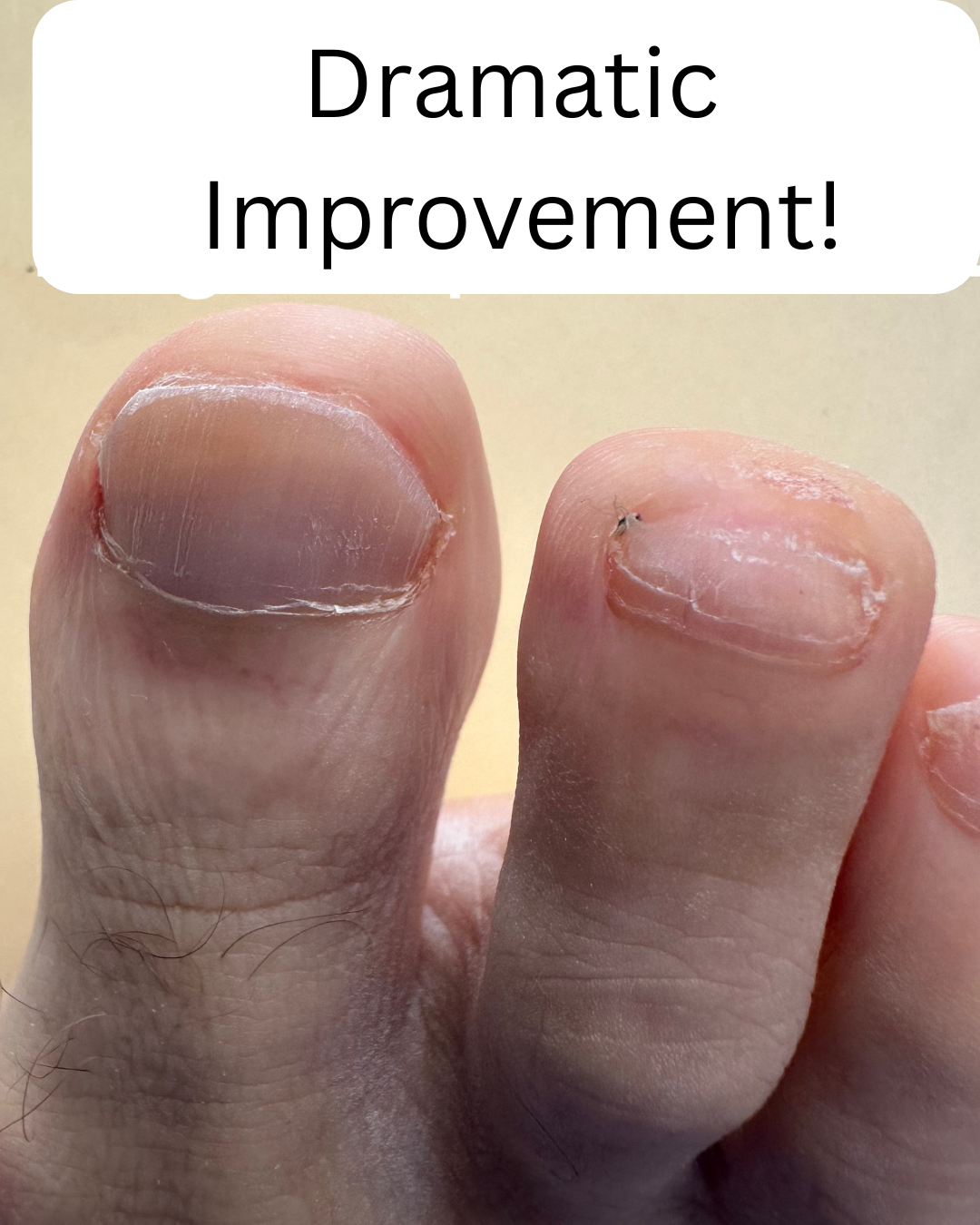
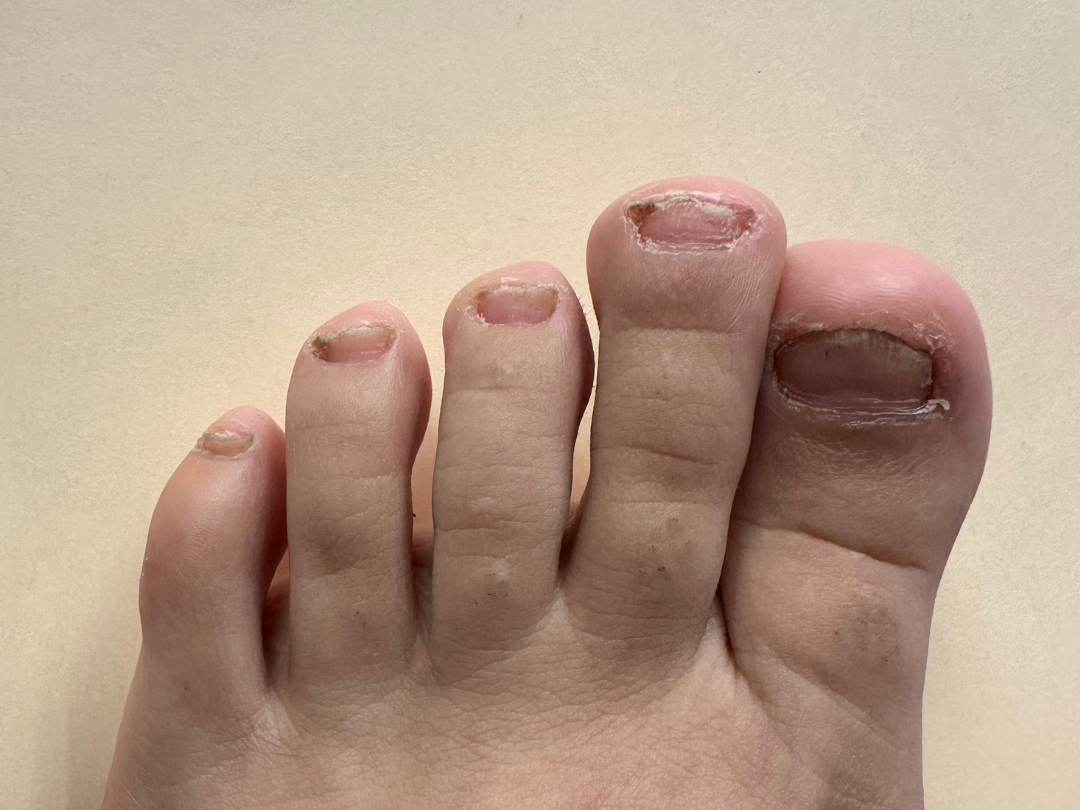
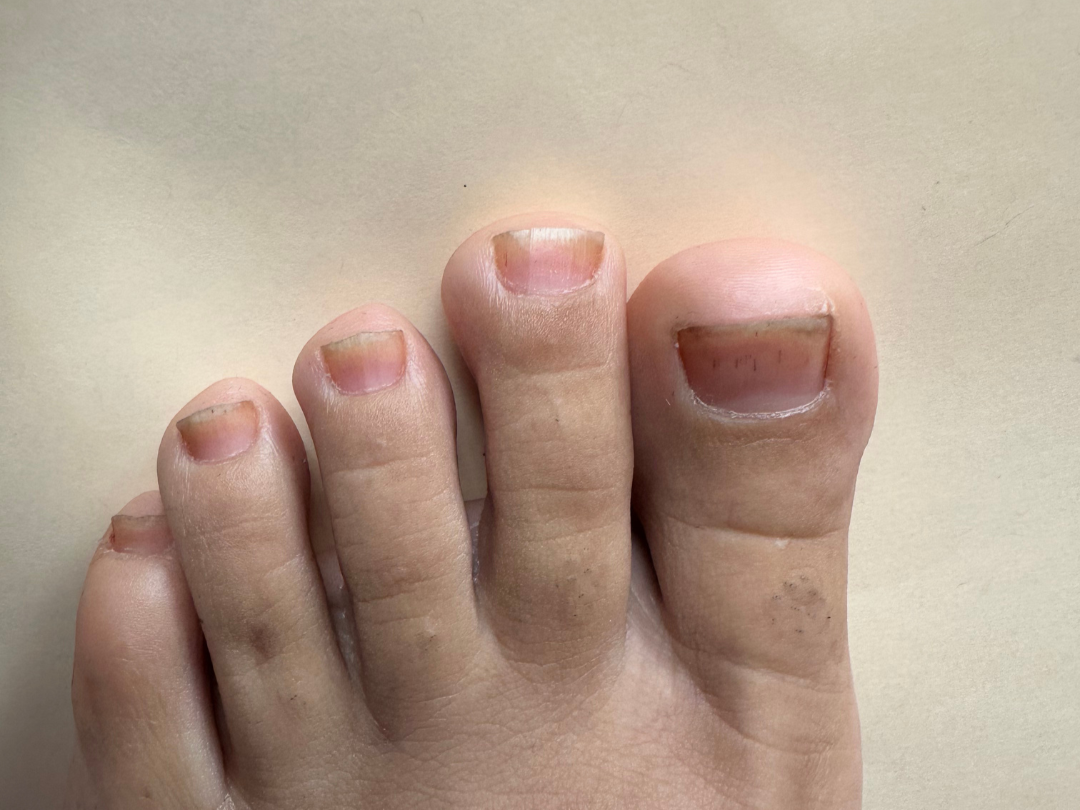
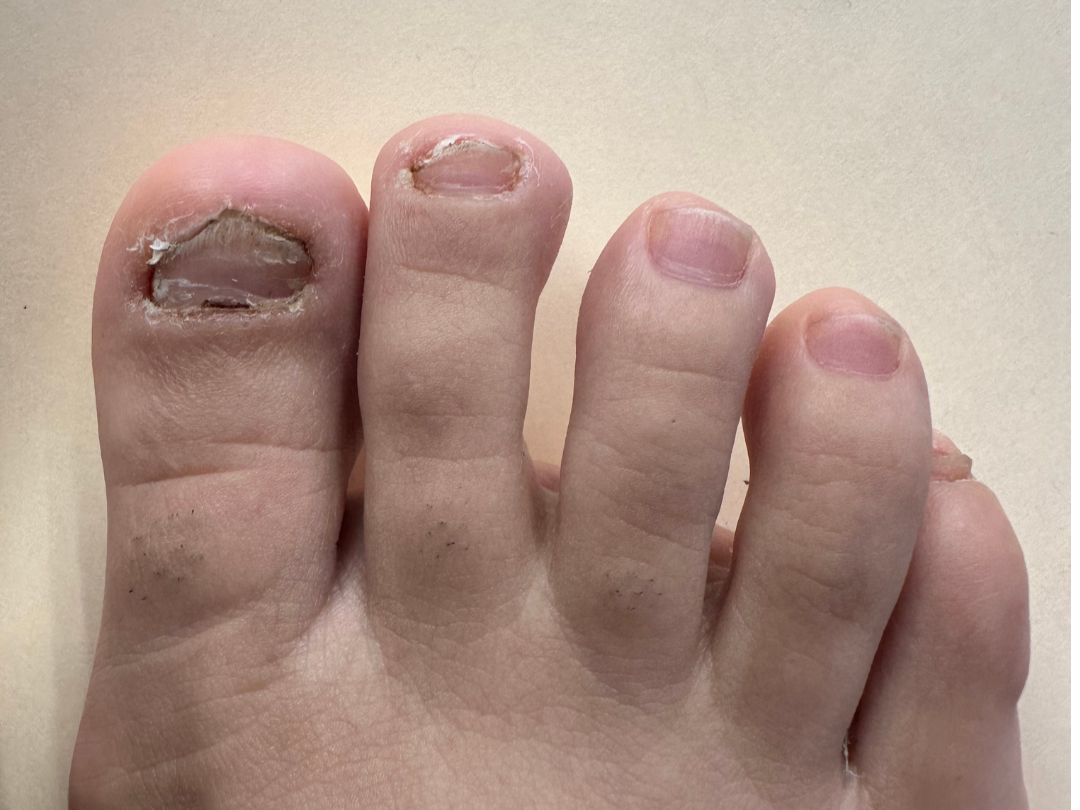
Real Patients, Real Results!
Nailcur™ Before & After
Every patient is different, and every toenail tells a different story. Whether nail changes are caused by fungus, injury, trauma, aging, or repeated pressure, successful treatment begins with an accurate diagnosis. Dr. Ivar E. Roth's Nailcur™ program combines more than 40 years of experience with personalized treatment strategies designed to restore healthier, more natural-looking toenails—and the confidence to enjoy life in sandals again.
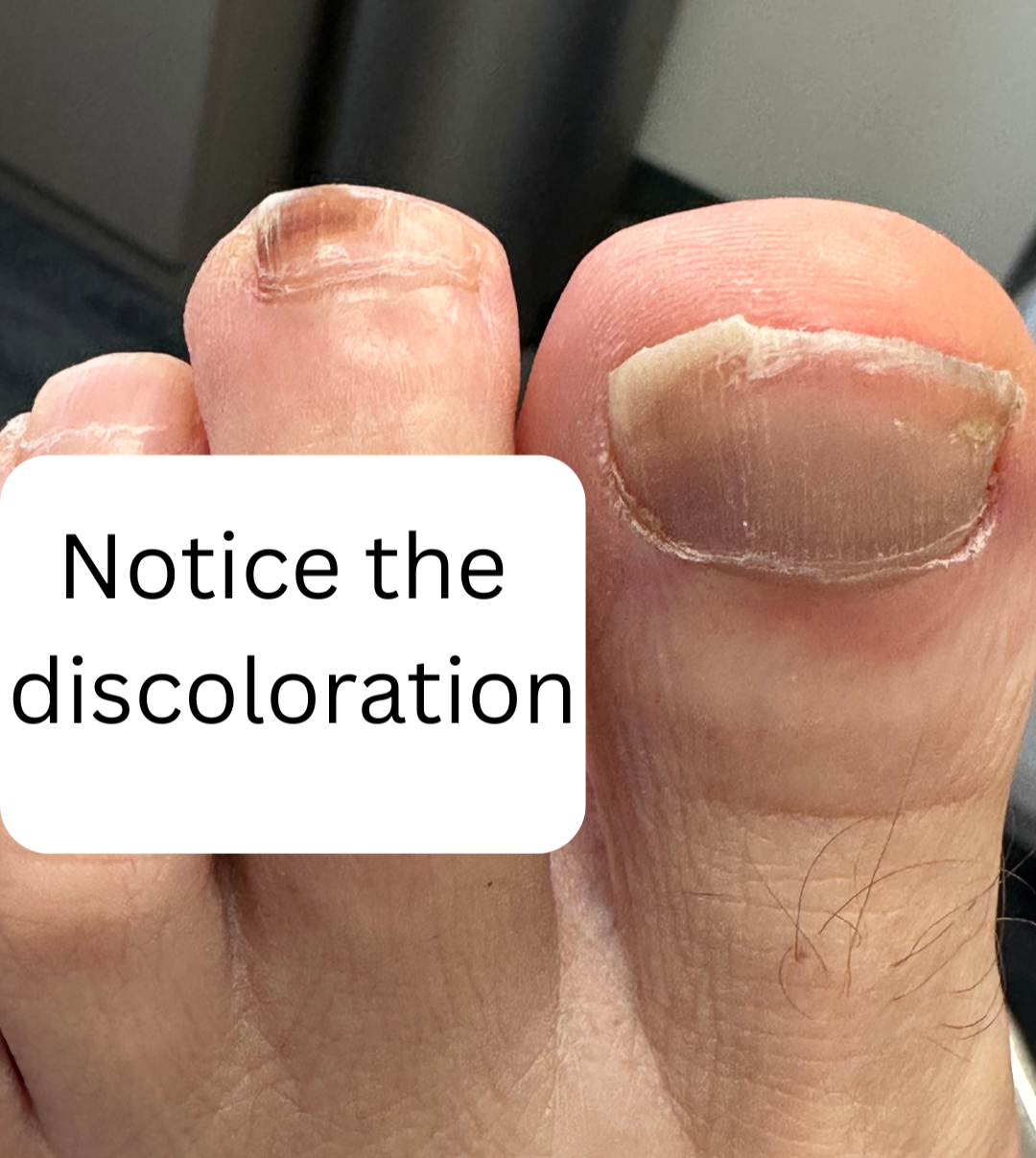
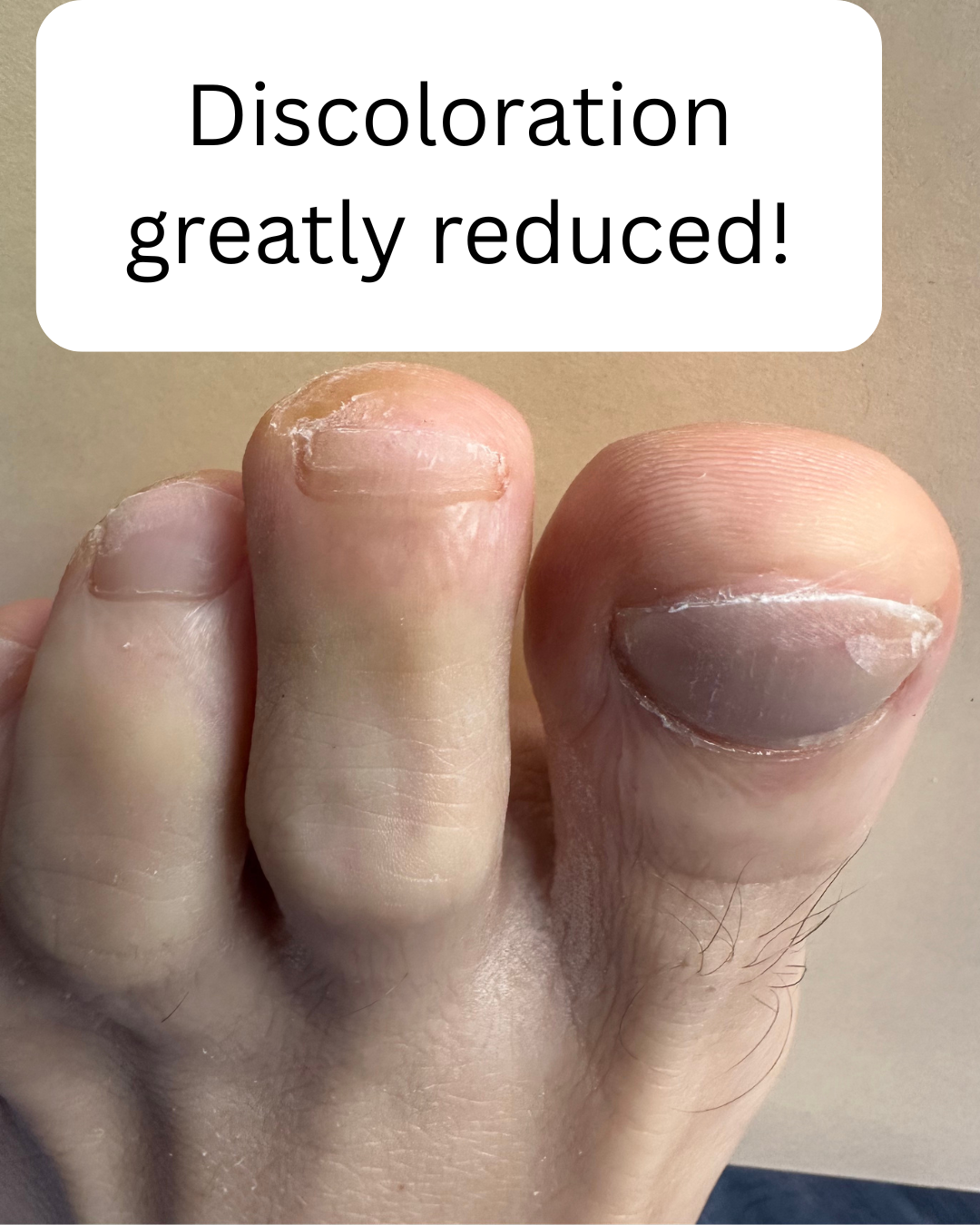
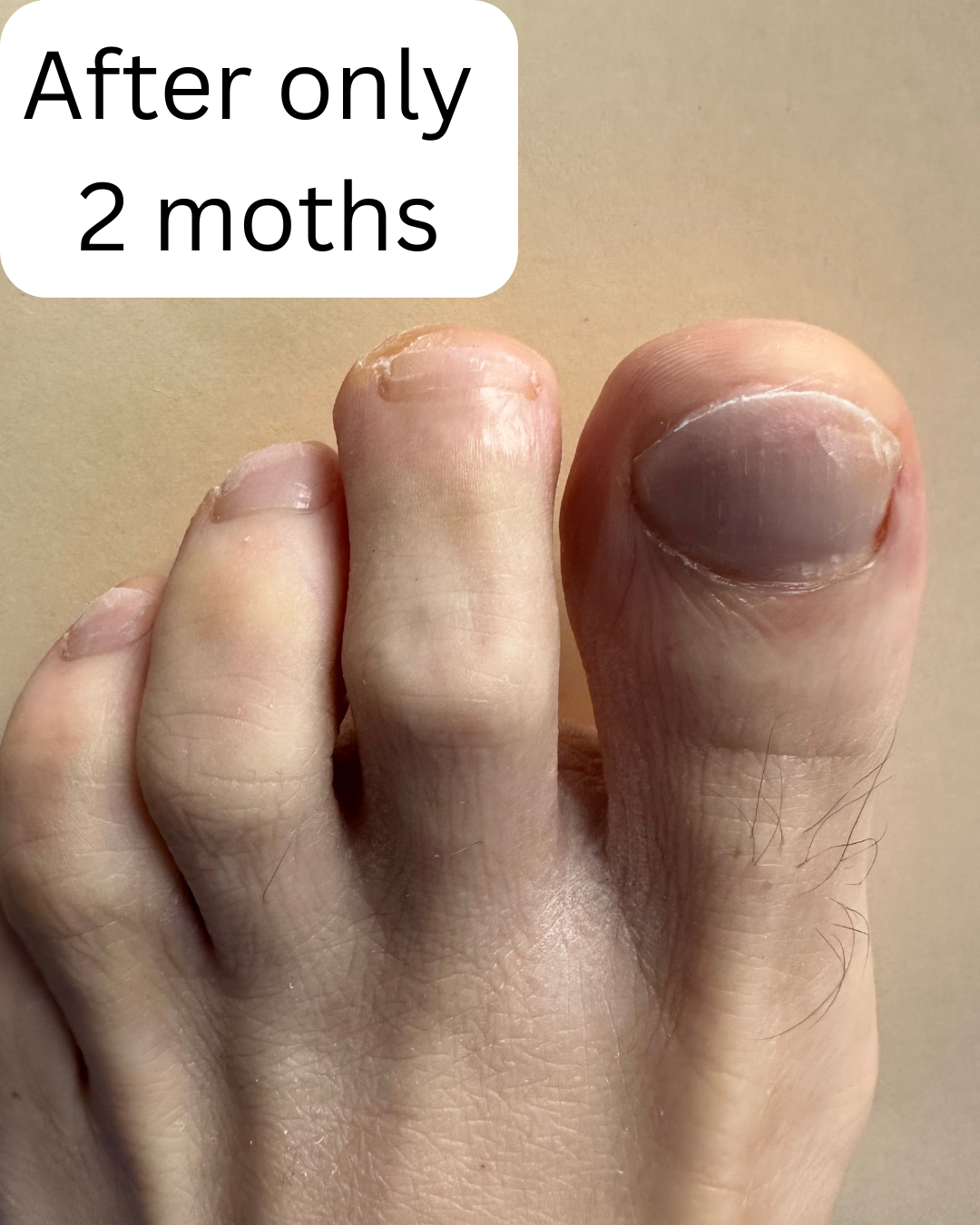
Why Nailcur™ Is Different
✔ Comprehensive evaluation.
✔ Personalized treatment plans tailored to your specific condition.
✔ Advanced laser therapy when appropriate.
✔ Medical treatment of fungal infections and other nail disorders.
✔ Professional nail restoration for improved appearance.
✔ Long-term guidance to help reduce the risk of recurrence.
Common Signs and Symptoms of Toenail Fungus
Toenail fungus rarely develops overnight. In most cases, the infection progresses slowly over months or even years. Many patients don't seek treatment until the nail becomes noticeably discolored, difficult to trim, or uncomfortable in shoes.
The appearance of a fungal nail can vary depending on the type of fungus involved, how long the infection has been present, and whether the nail has also been damaged by trauma or other conditions.
Common signs and symptoms include:
Thickened Toenails
One of the earliest and most common signs is a nail that gradually becomes thicker than normal. As the nail thickens, routine trimming can become increasingly difficult and may require professional care. Thick nails can also create pressure inside shoes, making walking uncomfortable.
Yellow, White, or Brown Discoloration
Healthy toenails are generally translucent with a pink appearance from the nail bed underneath. Fungal infections often cause the nail to become yellow, white, brown, or even dark in color as the organisms grow beneath the nail plate.
Discoloration does not always indicate fungus, however. Previous trauma, aging, certain medications, and other nail disorders can produce similar changes.
Brittle or Crumbling Nails
As the infection progresses, the nail may lose its normal strength. The edges can become rough, brittle, or begin to crumble when trimmed. Some patients notice small pieces of the nail breaking away or a chalky material collecting beneath the nail.
Brittle or Crumbling Nails
As the infection progresses, the nail may lose its normal strength. The edges can become rough, brittle, or begin to crumble when trimmed. Some patients notice small pieces of the nail breaking away or a chalky material collecting beneath the nail.
Nail Lifting (Separation from the Nail Bed)
Toenail fungus may cause the nail to gradually separate from the nail bed, a condition known as onycholysis. This separation creates additional space beneath the nail where moisture and debris can collect, making treatment more challenging if left untreated.
Changes in Nail Shape
Over time, infected nails may become distorted or uneven. The nail can curve, thicken unevenly, or lose its normal smooth appearance. These changes may make shoes uncomfortable and increase the risk of pressure-related pain.
Pain or Discomfort
Many fungal infections are painless during the early stages. However, as the nail becomes thicker or begins pressing against the inside of a shoe, discomfort can develop during walking, exercise, or prolonged standing.
For some patients, pain becomes the primary reason they finally seek treatment.
Odor or Debris Beneath the Nail
In some cases, fungal infections produce a noticeable buildup of keratin and debris beneath the nail. Patients may notice an unpleasant odor or a crumbly material collecting under the nail, particularly as the infection advances.
When Should You See a Podiatrist?
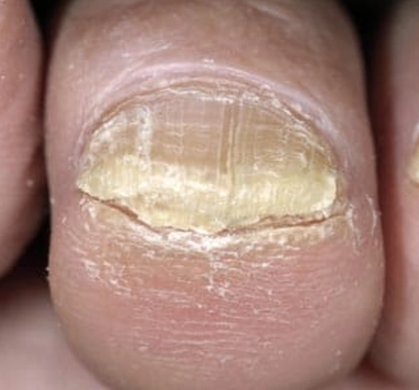
If you've noticed persistent nail discoloration, thickening, or changes that aren't improving, it's a good idea to have the nail evaluated rather than assuming it's simply part of aging.
Early diagnosis often provides more treatment options and can help prevent the infection from spreading to additional nails or becoming more difficult to manage.
Patients with diabetes, poor circulation, peripheral neuropathy, or weakened immune systems should seek evaluation promptly, as even seemingly minor nail problems can become more significant in these individuals.
Dr. Roth’s Clinical Insight
"Many patients believe they caught toenail fungus from a single visit to a gym or swimming pool. While that can happen, it's often not that simple. After treating patients for more than four decades, I've found that most fungal infections develop when several factors come together—minor nail trauma, warm footwear, slower nail growth, and the right environment for fungi to thrive. Understanding those risk factors helps us focus not only on treatment but also on preventing the infection from coming back."
What Causes Toenail Fungus?
Common Risk Factors
Several factors can increase the likelihood of developing toenail fungus.
Age
The risk of fungal nail infections increases with age. Nails tend to grow more slowly over time, circulation may decrease, and years of minor nail trauma can make it easier for fungi to become established.
Repetitive Nail Trauma
Activities such as running, hiking, tennis, and other sports can cause repeated minor injuries to the toenails. Even if the trauma isn't painful, it can create tiny openings that allow fungi to enter beneath the nail.
Warm, Moist Footwear
Shoes that trap heat and moisture create an environment where fungi can thrive. Wearing damp socks for extended periods or using shoes that don't allow adequate ventilation may increase the risk of infection.
Public Showers, Pools, and Locker Rooms
Fungi can survive on moist surfaces commonly found around swimming pools, fitness centers, locker rooms, and shared shower facilities. Wearing sandals or shower shoes in these areas may help reduce exposure.
Diabetes and Circulatory Conditions
People with diabetes or reduced circulation are more susceptible to fungal nail infections and should seek prompt evaluation for any changes in their toenails. Maintaining healthy feet is an important part of overall diabetic foot care.
Family History
Some individuals appear to have a genetic predisposition that makes them more susceptible to recurring fungal infections despite good hygiene and preventive measures.
Previous Toenail Fungus
Successfully treating toenail fungus doesn't make you immune to future infections. Without preventive care, reinfection can occur months or even years later.
Most people assume toenail fungus develops because their feet are "dirty" or because they walked barefoot in a locker room. While fungi are commonly found in public places such as pools, gyms, and locker rooms, developing a fungal nail infection is usually the result of multiple contributing factors, not just a single exposure.
Fungi are microscopic organisms that thrive in warm, dark, and moist environments. Shoes and socks often create the ideal conditions for fungal growth, especially when feet remain damp for long periods or when the nail has already been weakened by injury or age.
In many cases, the fungus enters through tiny cracks in the skin around the nail or small injuries to the nail itself. Once beneath the nail plate, the organisms can gradually spread while remaining protected from many over-the-counter treatments.
Can Toenail Fungus Spread?

Toenail fungus can spread from one toenail to another and, in some cases, to the surrounding skin, resulting in conditions such as athlete's foot. While it is generally less contagious than many people assume, sharing nail clippers, footwear, socks, or walking barefoot in certain public environments may increase the risk of transmission.
Treating the infection early and practicing good foot hygiene can help reduce the likelihood of spreading the fungus to other nails or to members of your household.
Understanding How Toenail Fungus Develops
Fungi thrive in warm, dark, and moist environments, making shoes and socks an ideal place for them to grow. The infection often begins when microscopic fungi enter through tiny cracks in the nail or surrounding skin. These organisms slowly spread beneath the nail plate, feeding on keratin—the protein that makes up your nails.
Unlike a skin infection that may become noticeable within days, toenail fungus often develops over many months. As the infection progresses, the nail may gradually become:
Yellow, white, or brown in color
Thickened and difficult to trim
Brittle, crumbly, or ragged around the edges
Distorted in shape
Lifted away from the nail bed
Uncomfortable or painful when pressure is applied
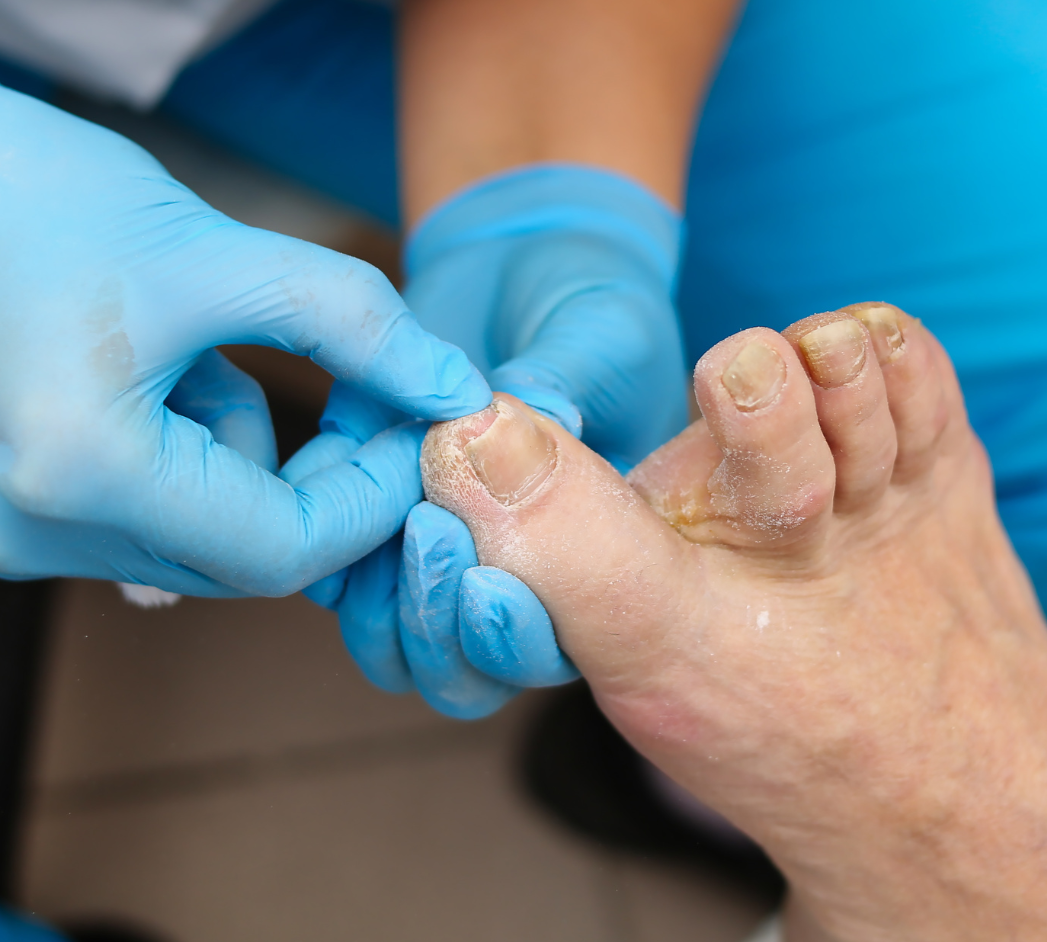
Because toenails grow slowly—typically only one to two millimeters each month—visible improvement also takes time, even after the infection has been successfully treated.
Why an Accurate Diagnosis Matters
Not every abnormal toenail requires the same treatment. Before recommending laser therapy, prescription medication, or other therapies, Dr. Roth carefully evaluates the appearance of the nail, your medical history, lifestyle, and other possible causes of nail damage.
An accurate diagnosis is important because conditions such as nail trauma, psoriasis, eczema, bacterial infections, and age-related nail changes can closely resemble fungal infections. Identifying the true cause helps patients avoid unnecessary treatments and ensures that the treatment plan is based on the underlying condition rather than appearance alone.
For many patients, this careful evaluation is the first step toward finally understanding why previous treatments may not have worked.
Dr. Roth’s Clinical Insight
"One of the most common mistakes I see is patients assuming every thick or discolored toenail is caused by fungus. After more than 40 years in practice, I've found that trauma, aging, psoriasis, and other conditions frequently mimic fungal infections. That's why making the correct diagnosis is the most important first step before recommending treatment."
Dr. Ivar E. Roth
✔ Board Certified Foot & Ankle Surgeon (A.B.F.A.S.)
✔ 40+ Years Treating Orange County Patients
✔ Costa Mesa Office
✔ Medical & Laser Treatment Options
✔ Nailcur Treatment Program
✔ Personalized Treatment Plans
Say goodbye to stubborn nail fungus. At Concierge Podiatry & Spa, board-certified Foot & Ankle Surgeon (A.B.F.A.S.) Dr. Ivar Roth offers advanced, personalized solutions for toenail fungus (Onychomycosis). With decades of experience and his innovative Nailcur protocol, we help patients restore clear, healthy nails—often faster and more comfortably than traditional methods.
Ready to reclaim confident feet?
To Book Your Consultation Now Call (949) 650-1147.
Or
Book Online
Early treatment prevents spread to other nails or skin.
Before & After Results
Real Patient Outcomes: Many of our patients achieve 90%+ clearance.
Imagine the renewed confidence in sandals!
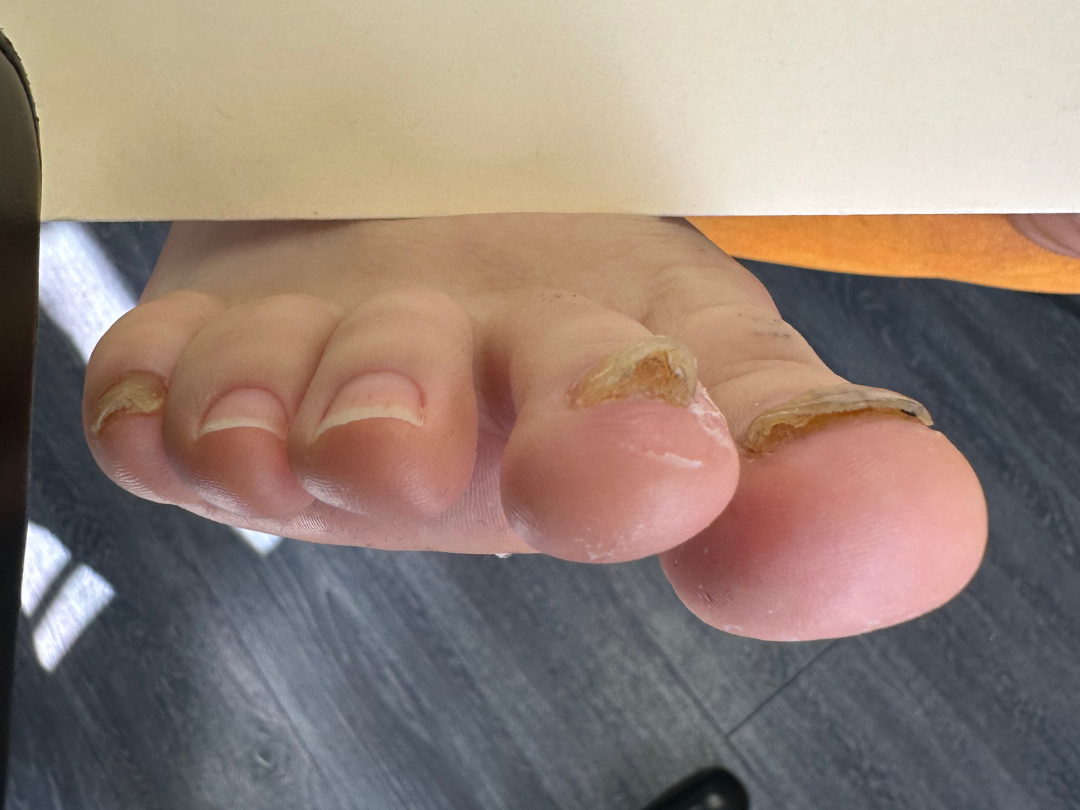

Before / After
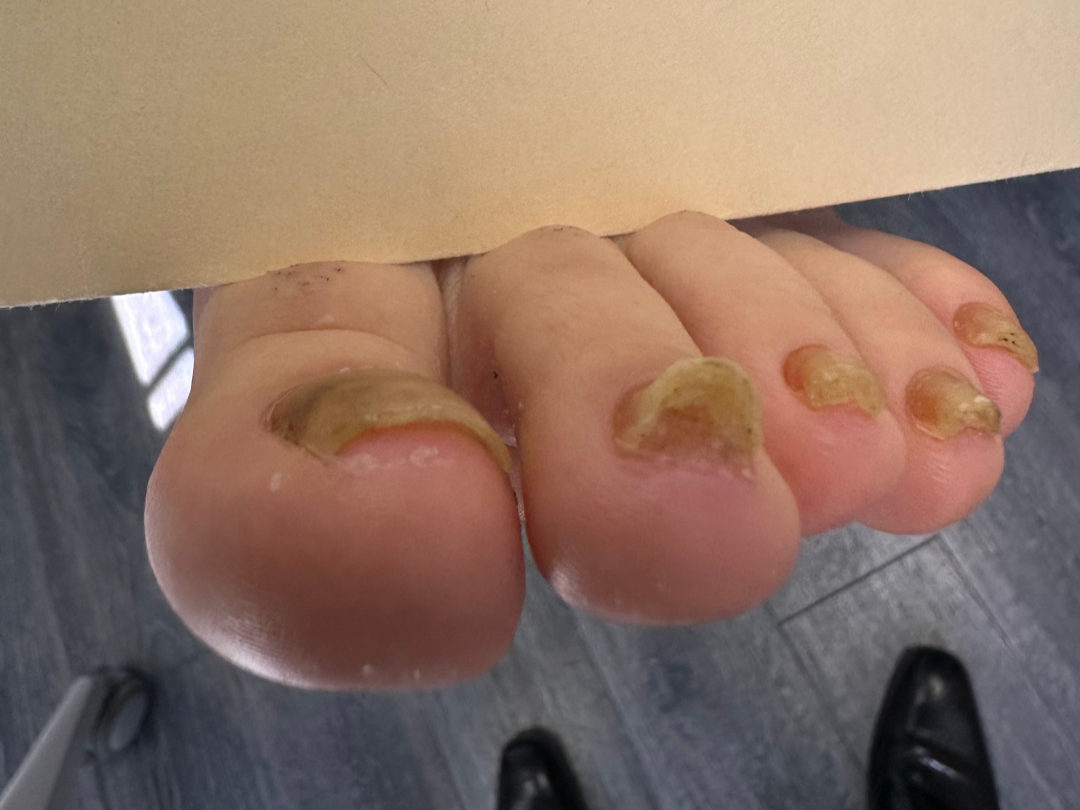
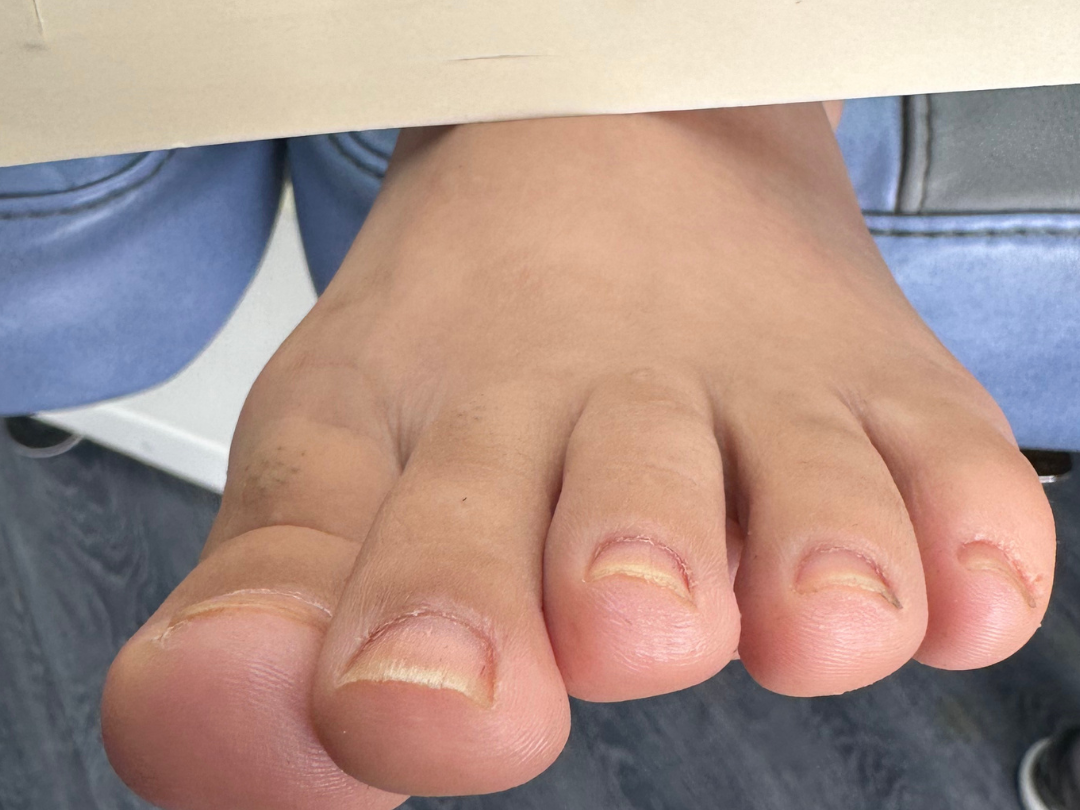
Before / After
Before / After
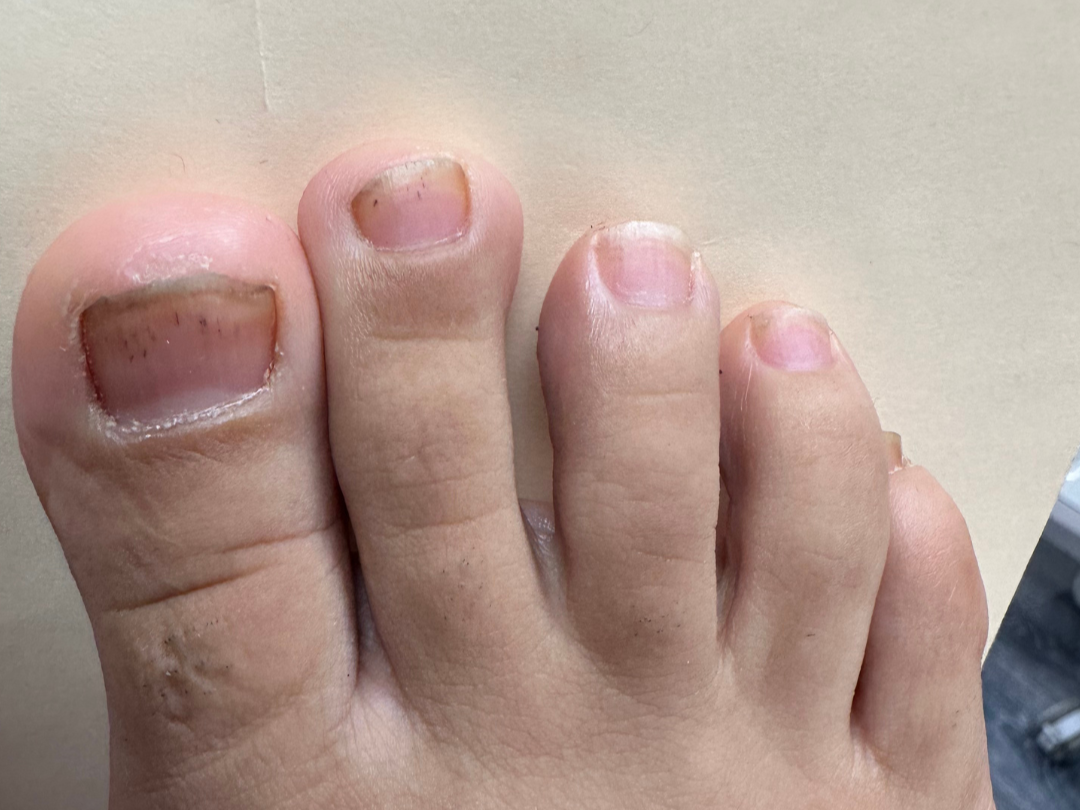
Before / After
Why Choose Concierge Podiatry & Spa?
Dr. Ivar Roth: Board-certified (American Board Foot & Ankle Surgery - ABFAS) foot & ankle surgeon with specialized expertise in nail fungus. Creator of Nailcur and leader in Medical Pedicures.
Concierge experience: One-on-one doctor time, same-day appointments, luxurious setting.
Comprehensive care in Costa Mesa serving Orange County (Newport Beach, Irvine, Huntington Beach, etc.).
Focus on safe, effective, medication-minimizing options.

Testimonials - Real Patients, Real Results
Dr Roth cured my nail infection. Also got a manicure here because I’m traumatized to get one anywhere else after a bad manicure caused this fungal infection. It’s expensive but the cleanliness is worth it, and it lasted a really long time. Office has beautiful views and the staff is great.
Lindsey C. on Google
Dr. Roth Performed minor miracle on my wife’s feet. Fungus gone and toes look perfect. Highly recommended.
Jim E. on Google
Had a great experience with Dr. Roth. He took the time to examine my feet and explained his assessment. The treatment I received helped relieve the pain and pressure on my feet. The office staff were very friendly and helpful. I highly recommend coming for their services. They have weekend appointments, which is helpful. There was a good amount of parking in front of the business building and we went on a Saturday.
Jules C. on YELP
Dr. Roth is a wonderful podiatrist. He has helped my toenail fungus problem clear up and it has been a lifetime problem. My toenails have never looked so healthy in over 35 years! I’m grateful to him!
Climate Reality Project Orange County, on Google
I can’t recommend Dr. Roth at Concierge Podiatry enough! I came in struggling with stubborn toenail fungus that I thought would never go away, but he completely turned things around. From the very first visit, Dr. Roth was thorough, professional, and took the time to clearly explain all my treatment options. He guided me step by step through the process, always ensuring I felt comfortable and well-informed. Thanks to his expertise, my toenails are finally healthy again! If you’re looking for a skilled and knowledgeable podiatrist, Dr. Roth at Concierge Podiatry is the one to see!
Nik B. on Google
My toe nail fungus was so bad my girlfriend said I should have them removed! Dr Roth cured them. She and l are very happy.
Edward D. , on Google
Dr.Roth did an excellent job taking care of my feet. He really is attentive and informative of the care I needed. I came laser toenail treatment. I was a pretty bad case and he helped transformed my nails. Now I have regained my confidence to show off my feet.
Lorena S. on Google
I highly recommend Dr. Roth. As a CEO, I recognize good care, compassion and innovation. Dr. Roth always exhibited the utmost professionalism and innovative techniques to solve issues. The old adage of you pay for what you get really applies with Dr. Roth. There may be less expensive doctors but few will solve the issues like Dr. Roth.
Michael H. on YELP
Frequently Asked Questions

Q: How long does it take to see results?
A: New clear nail growth takes 3–12 months as the nail regenerates. Visible improvement often starts sooner with our protocol.
Q: Is laser treatment painful?
A: No—most describe it as a warm tingling with no downtime.
Q: Does insurance cover toenail fungus treatment?
A: Varies; we provide superbills and work with HSA/FSA.
Q: Can I treat it at home?
A: OTC options have low success for established infections. Professional care is far more effective.