

Wear the Shoes You Want Again,
Bunion Surgery Has Changed
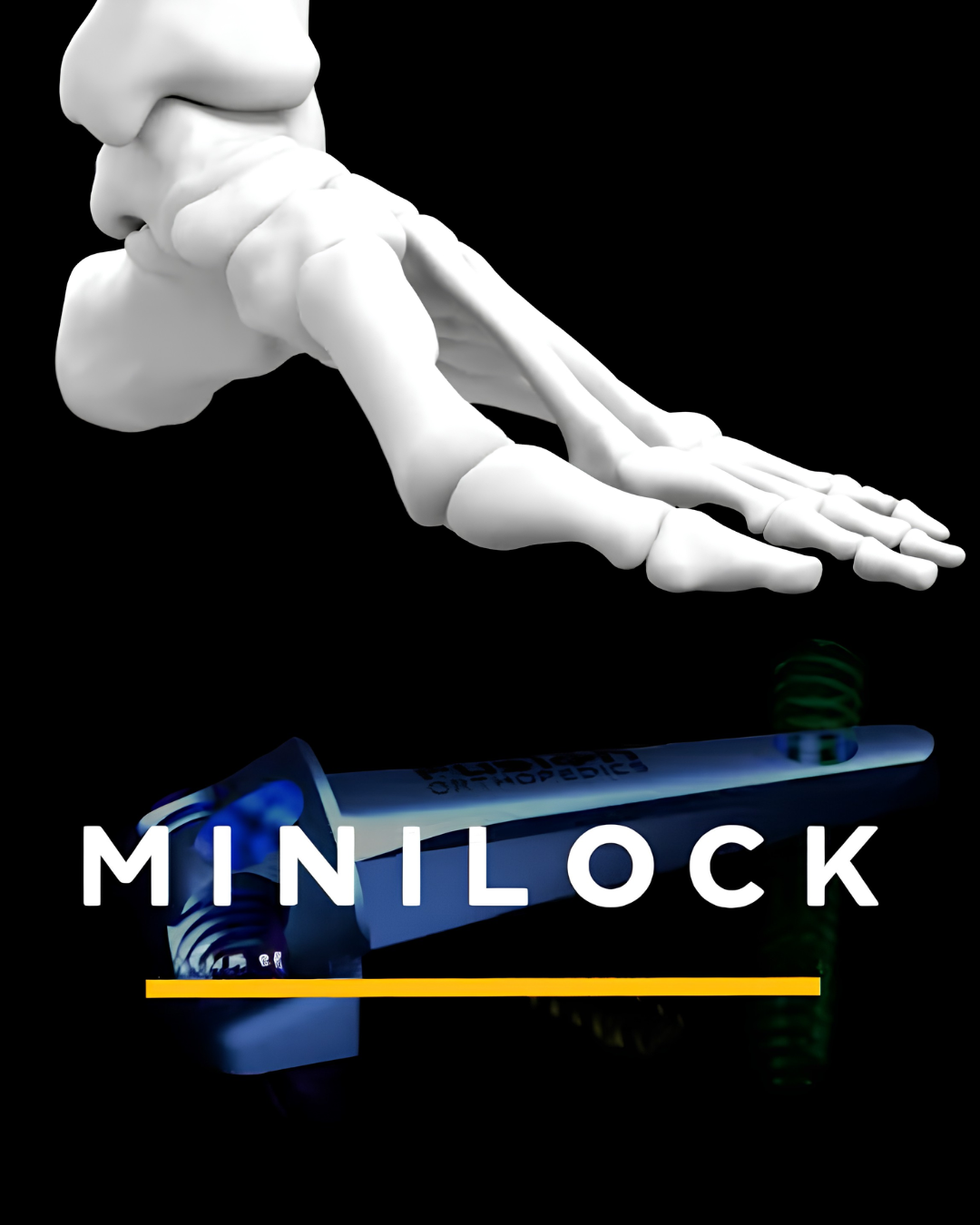
Discover MiniLock™ Minimally Invasive Bunion Correction with Ivar E. Roth, D.P.M., M.P.H.
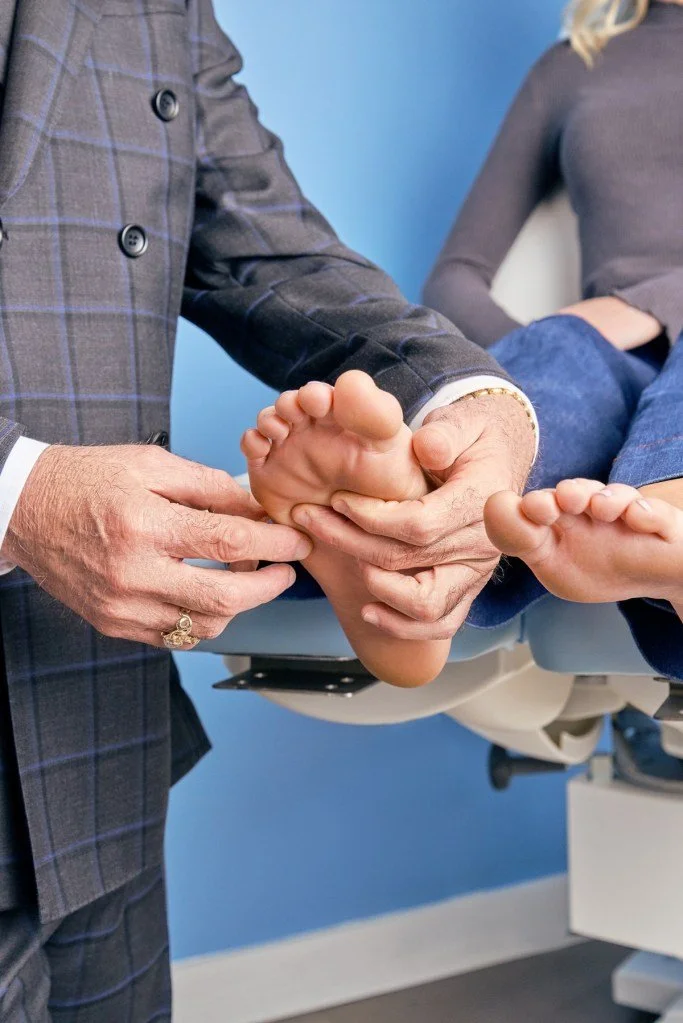
Today's bunion surgery isn't necessarily the procedure you may remember. Dr. Roth combines more than four decades of foot and ankle surgical experience with today's minimally invasive MiniLock™ technology to provide an advanced approach to bunion correction.

Ivar E. Roth D.P.M., M.P.H.
Dr. Ivar E. Roth is a Board-Certified Foot and Ankle Surgeon with more than 40 years of experience treating complex foot conditions and performing foot surgery. His approach to bunion correction is highly personalized—evaluating not simply the visible bump, but the underlying structure of the foot, joint alignment, severity of the deformity and the patient's lifestyle and goals. When surgery is appropriate, Dr. Roth utilizes advanced techniques, including MiniLock™ minimally invasive bunion correction for qualified patients, with the goal of restoring alignment, reducing pain and helping patients return to the activities they enjoy.
Have You Been Living With Your Bunion Because You Don't Want Surgery?
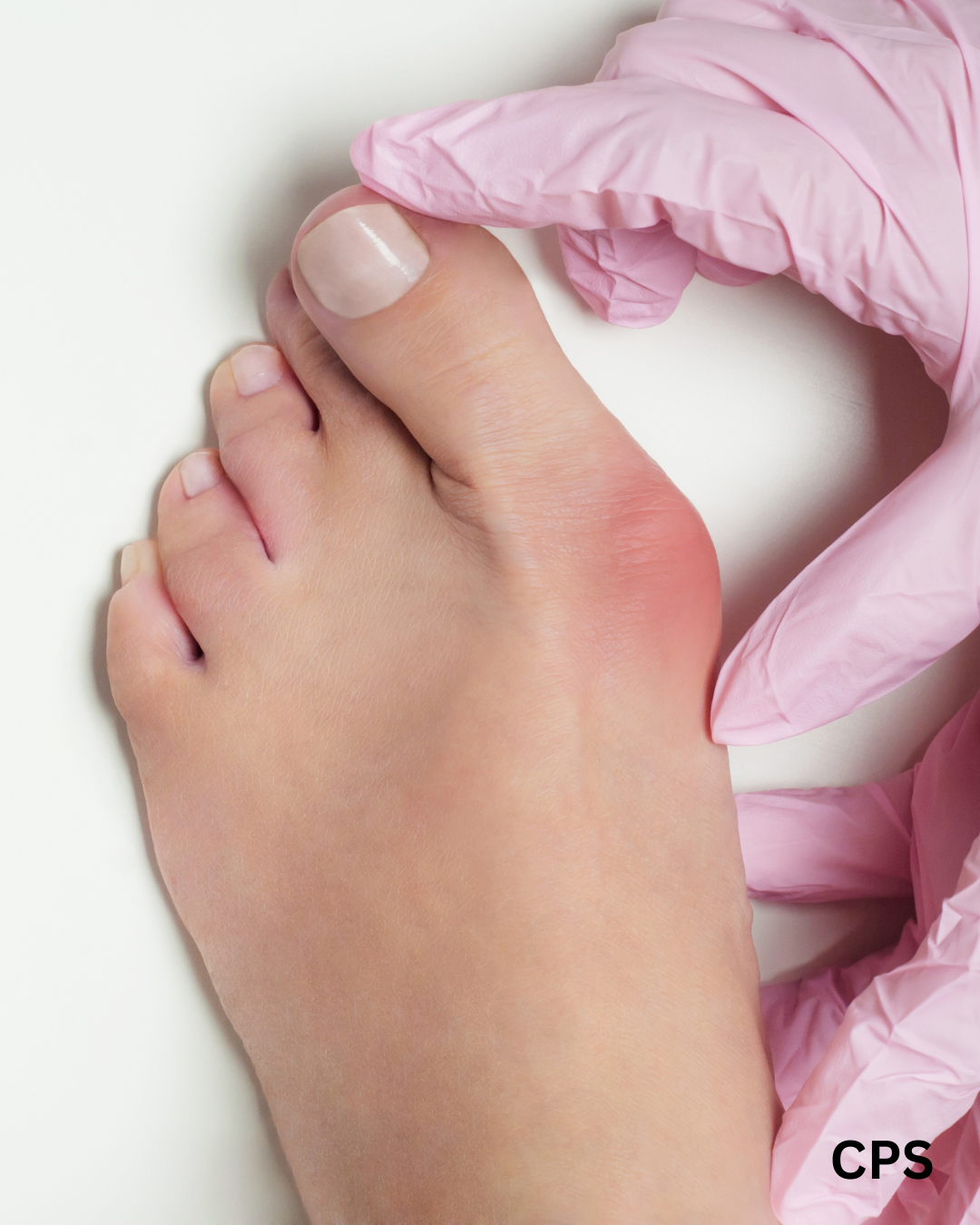
Many people tolerate bunion pain for years because they've heard stories about traditional bunion surgery—large incisions, significant pain, long recoveries or weeks away from normal activities.
But today’s options may be very different from what you’ve heard.
Smaller Incisions
A Less Invasive Approach
Secure, Stable Correction
Designed to Get You Moving
More Than Just Removing the Bump
If your bunion is interfering with your life, it may be time to find out what your options really are.
Your Bunion Is More Than a Bump.
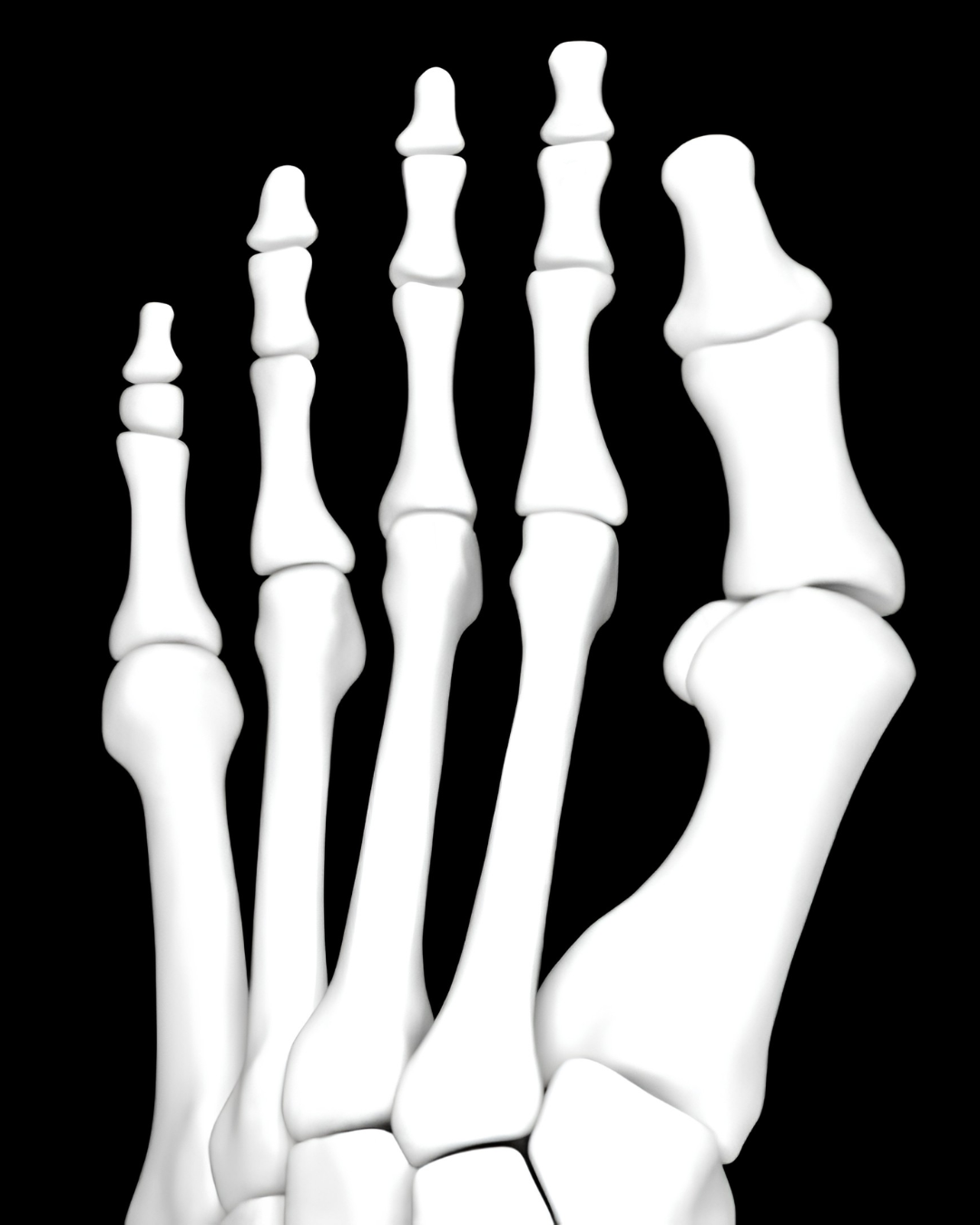
After treating foot problems for more than four decades, one of the most common misconceptions I hear is that a bunion is simply a bump on the side of the foot—often blamed on years of wearing the wrong shoes.
It’s more complicated than that.
A bunion is a structural deformity involving the big toe joint. As the alignment of the foot changes, the big toe begins to drift toward the smaller toes while the first metatarsal shifts in the opposite direction. The prominent “bump” you see is really the visible result of that changing alignment..
Shoes can certainly aggravate a bunion, but in many patients the underlying problem is the structure and mechanics of the foot itself. Genetics can play an important role, as can certain foot types, arthritis, previous injuries and other conditions that affect the way forces are distributed across the foot.
That's an important distinction because simply accommodating the bump doesn't correct the underlying deformity.
Key Benefits of MiniLock™ over Traditional Bunion Surgery
Early weight-bearing
Less Postoperative Pain
Lower Risk of Complications
Minimal Scarring
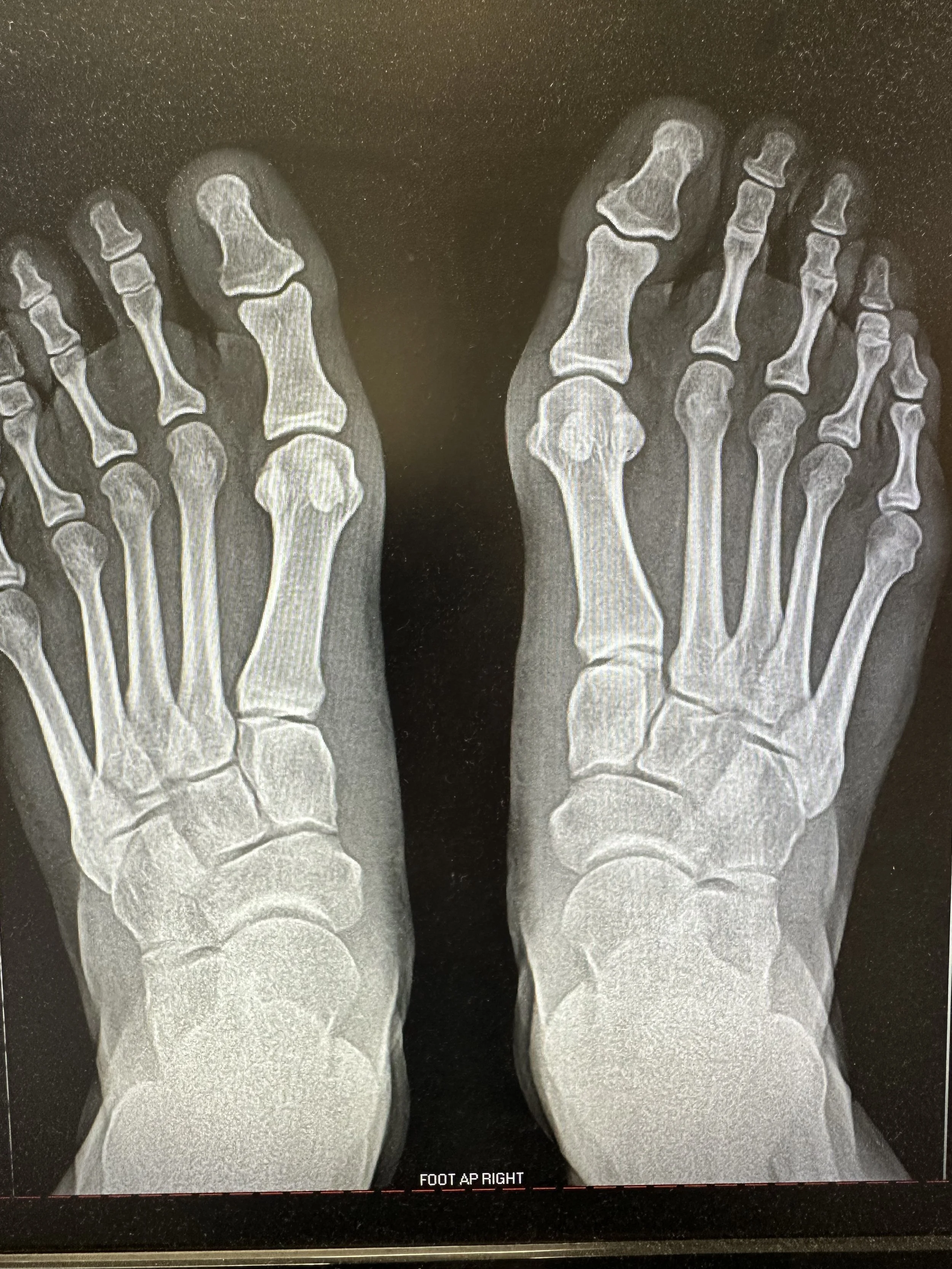
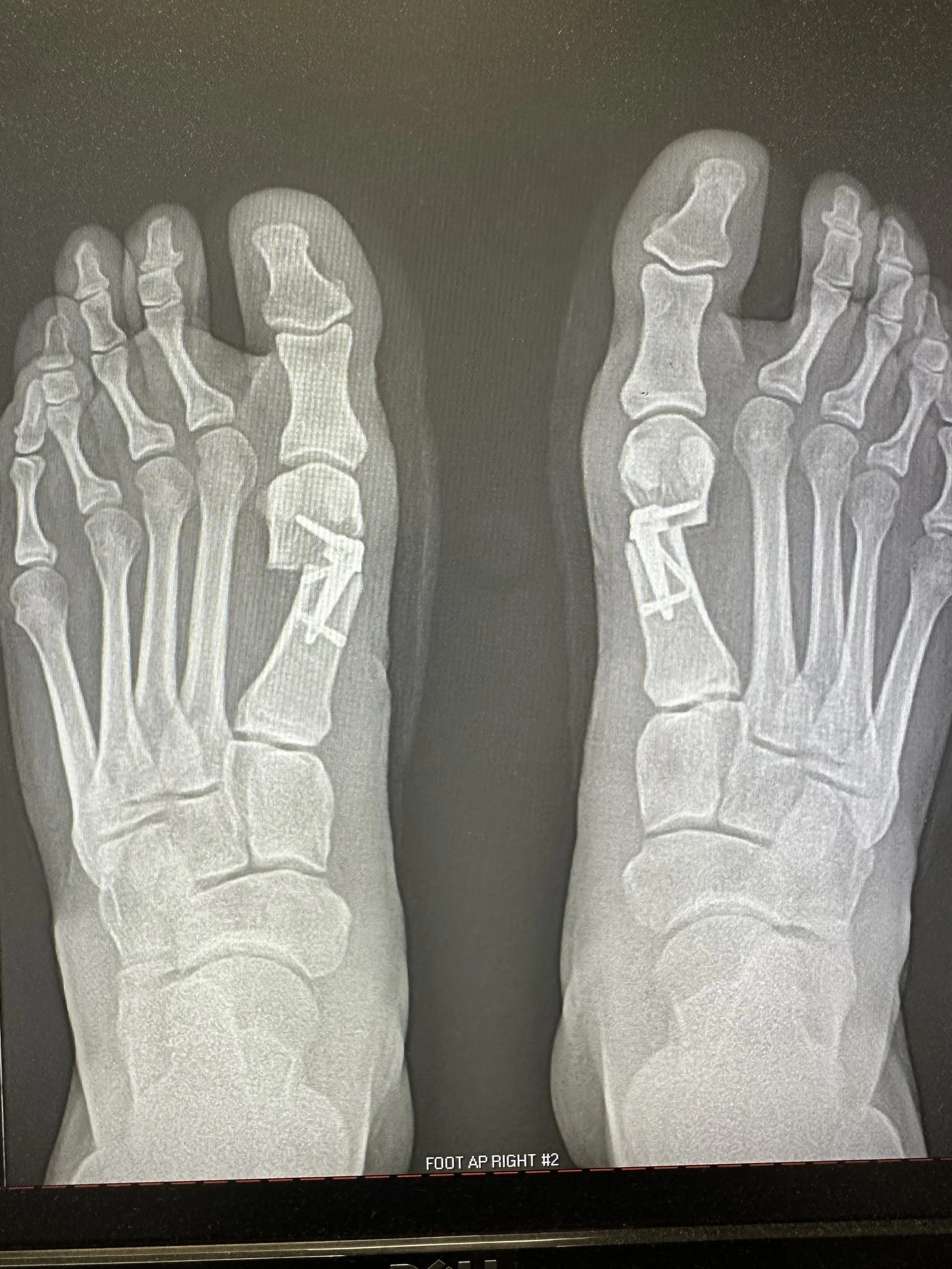
Dramatic Before
and After

When I evaluate a patient with a bunion, I'm not just looking at the bump. I'm looking at why it developed, how the entire foot is functioning, how far the deformity has progressed, and—most importantly—how it is affecting that patient's life.
— Ivar E. Roth, DPM, MPH
Board Certified Foot & Ankle Surgeon. ABFAS
When Is It Time to Do Something About a Bunion?
For many people, a bunion doesn't suddenly become a problem. It happens gradually.
Maybe you've started choosing shoes based on which ones don't rub against the bump. You take off a favorite pair halfway through dinner because your foot hurts. Your morning walk isn't quite as enjoyable anymore. Golf, pickleball, tennis, hiking or simply spending a day on your feet can leave the joint aching by the end of the day.
You may even find yourself buying wider and wider shoes—or avoiding certain shoes altogether—just to accommodate your foot.

Those are signs your bunion is beginning to affect your life.
Other signs it's worth having your bunion evaluated include:
Pain or tenderness around the big toe joint
Redness, swelling or irritation from shoes
A bump that seems to be getting larger
The big toe beginning to crowd or overlap the other toes
Difficulty finding comfortable shoes
Cutting back on walking, exercise or activities because of foot pain
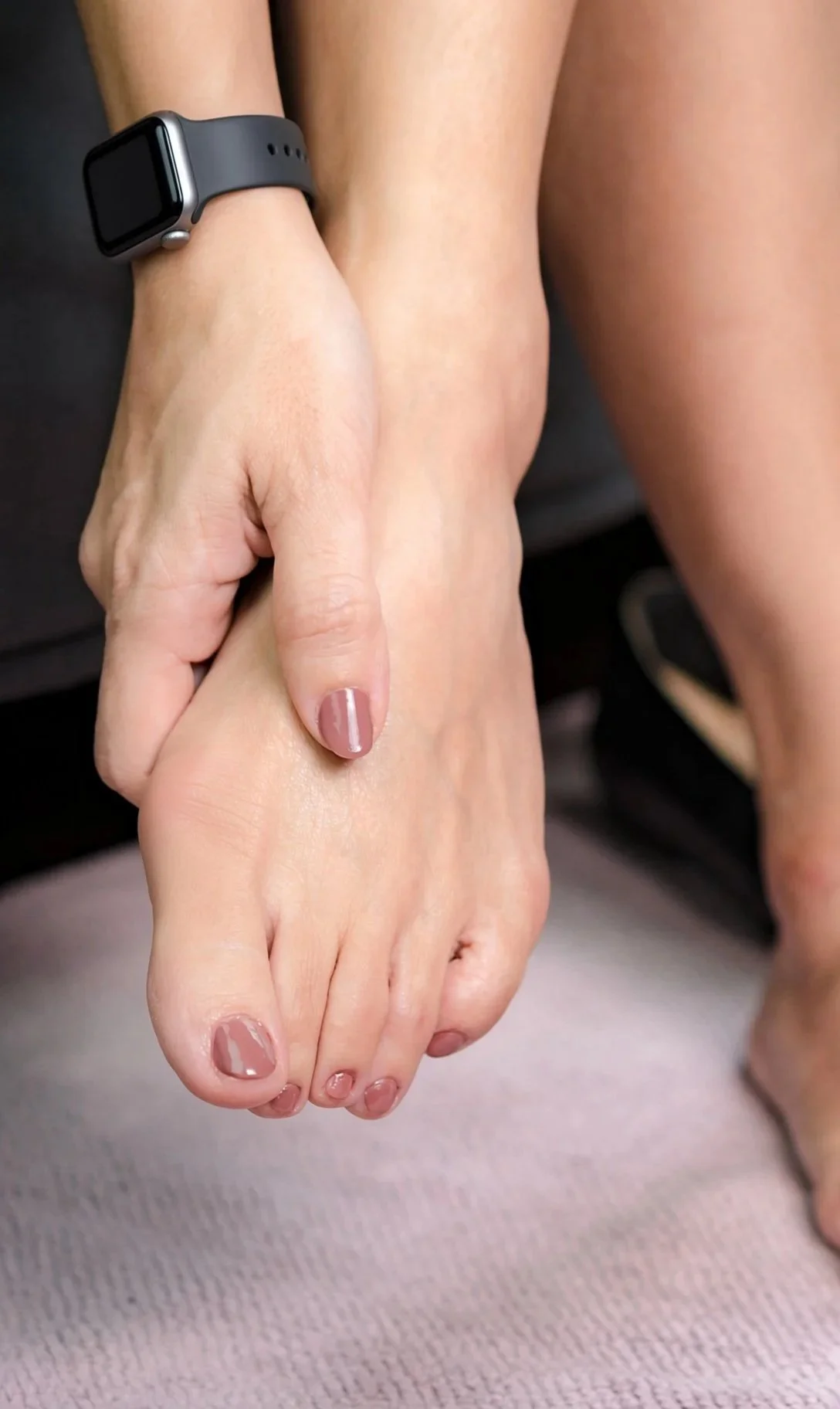
You don't have to wait until a bunion becomes severe—or until every shoe hurts—to find out what can be done.
An evaluation doesn't mean you're committing to surgery. It simply gives us an opportunity to look at the structure of your foot, understand what's causing your symptoms, and discuss the options that make sense for you.
Do I Need Bunion Surgery?
8 Signs It May Be Time to Have Your Bunion Evaluated
1. Your bunion hurts—even in comfortable shoes.
Pain or tenderness around the big toe joint is becoming a regular problem rather than an occasional annoyance.
2. You're choosing your shoes around your bunion.
You've stopped wearing certain shoes because they rub, squeeze or become uncomfortable after a short time.
3. Walking is becoming less comfortable.
A morning walk, shopping, travel or simply spending a day on your feet leaves the joint aching.
4. You're cutting back on activities you enjoy.
Golf, pickleball, tennis, hiking, exercise—or other activities you normally enjoy—are becoming less appealing because you know your foot will hurt.
5. Your big toe is beginning to crowd the other toes.
The toe is drifting toward the second toe, pushing against it or beginning to overlap or cause other changes in the forefoot.
6. The joint regularly becomes red, swollen or irritated.
Repeated inflammation or irritation—particularly after wearing shoes or being active—is a sign the bunion is becoming more than a cosmetic concern.
7. You've tried working around it, but the problem remains.
Wider shoes, padding, inserts or changes in activity may provide temporary relief, but your bunion continues to interfere with everyday life.
8. You're thinking about your foot far more than you used to.
This may be the most relatable one. When you're constantly considering which shoes you can wear, how far you'll have to walk, or whether an activity will make your foot hurt, your bunion has begun making decisions for you.

How Many Sound Familiar?
There's no magic number—and having a bunion doesn't automatically mean you need surgery.
But if several of these situations sound familiar, it may be time to have your foot evaluated. An examination can help determine what's causing your symptoms, how far the bunion has progressed, and whether conservative treatment, minimally invasive bunion correction such as MiniLock™, or another approach may be appropriate.