
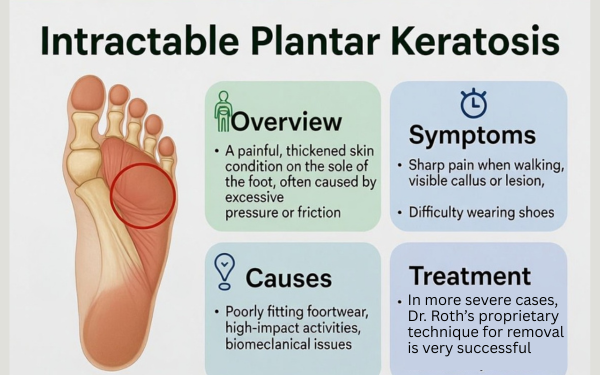
IPK stands for Intractable Plantar Keratosis.
A deep, painful callus on the bottom of the foot—usually under a pressure point like the ball of the foot.
What makes an IPK different from a regular callus?
A normal callus:
Broad, flat, not usually painful
An IPK:
Has a hard central core (“plug”) that pushes into the skin
Feels like stepping on a pebble or nail
Can become very painful when walking
Continue scrolling for real patient Before & Afters as well as explanation as to why an IPK happens.
REAL PATIENTS, REAL RESULTS
Eric was living with a super painful IPK. Some IPK’S limit your activities and the types of shoes you can wear.
How it’s going now!
For more than 40 years, Dr. Ivar E. Roth has specialized in diagnosing and treating painful foot conditions, including Intractable Plantar Keratosis (IPK). His personalized treatment approach goes beyond simply trimming the lesion—it focuses on identifying the underlying cause, relieving pain, and helping reduce the risk of recurrence.
Call us or book online!
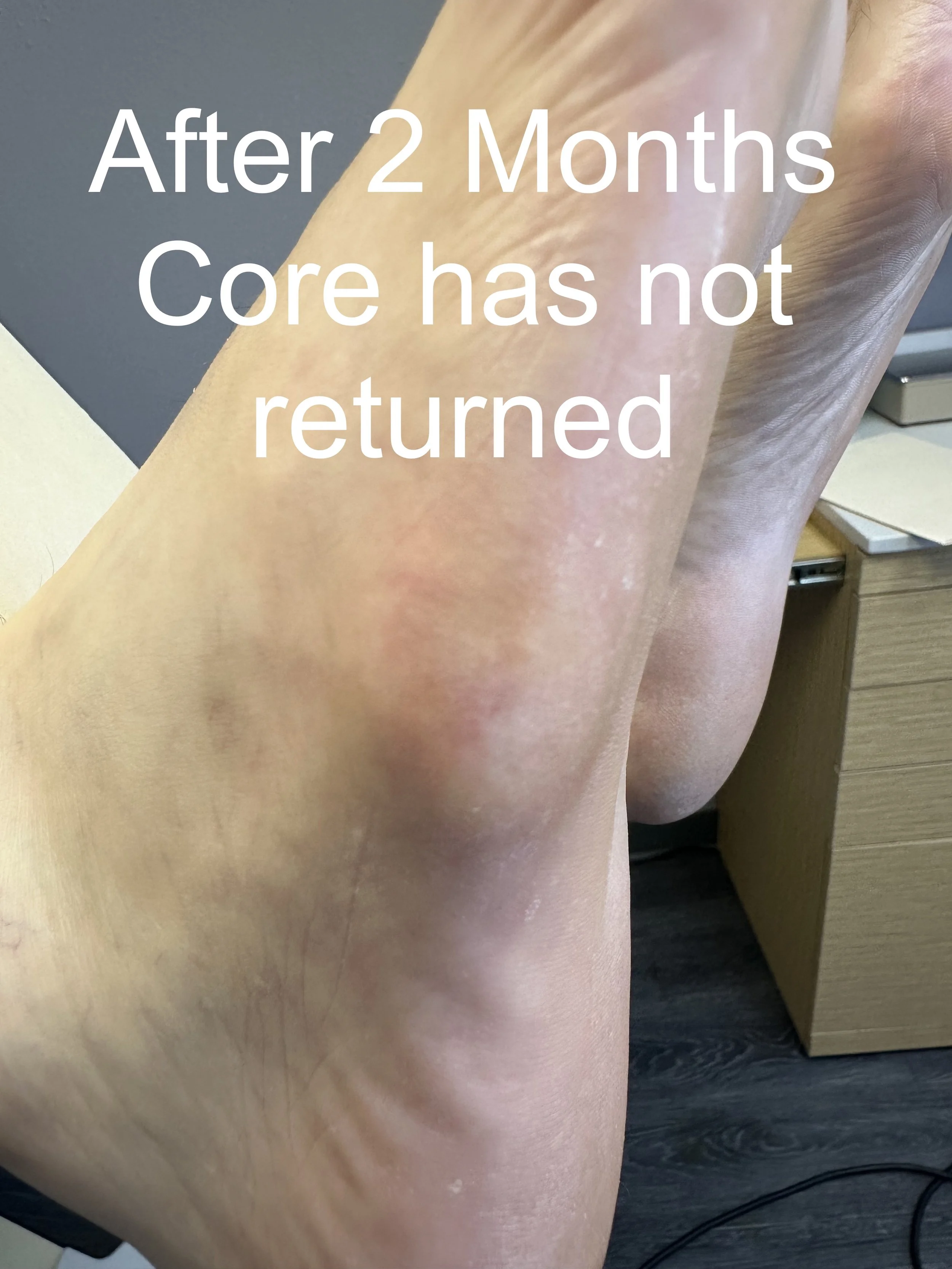
How it started - A painful and inconvenient IPK
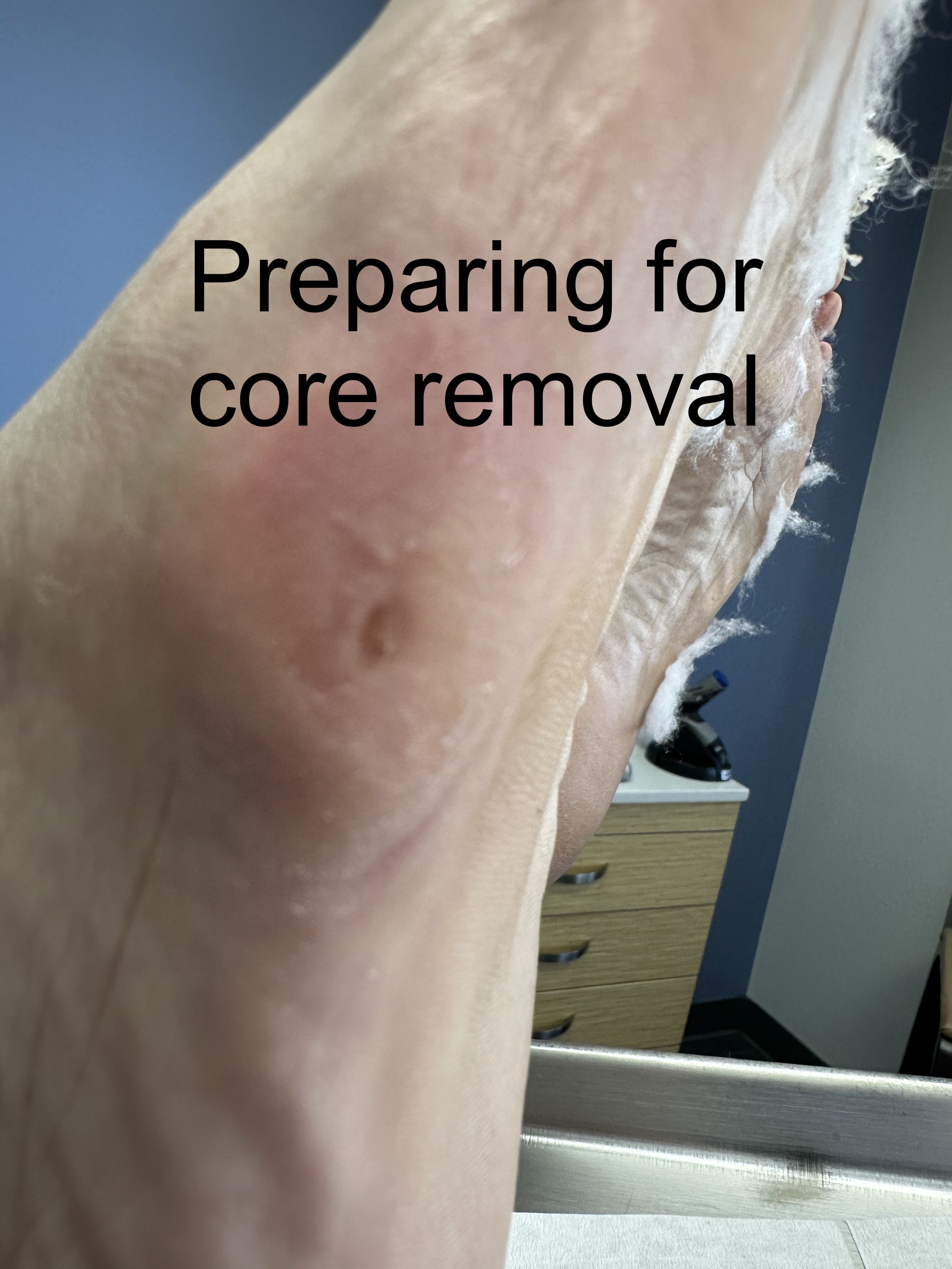
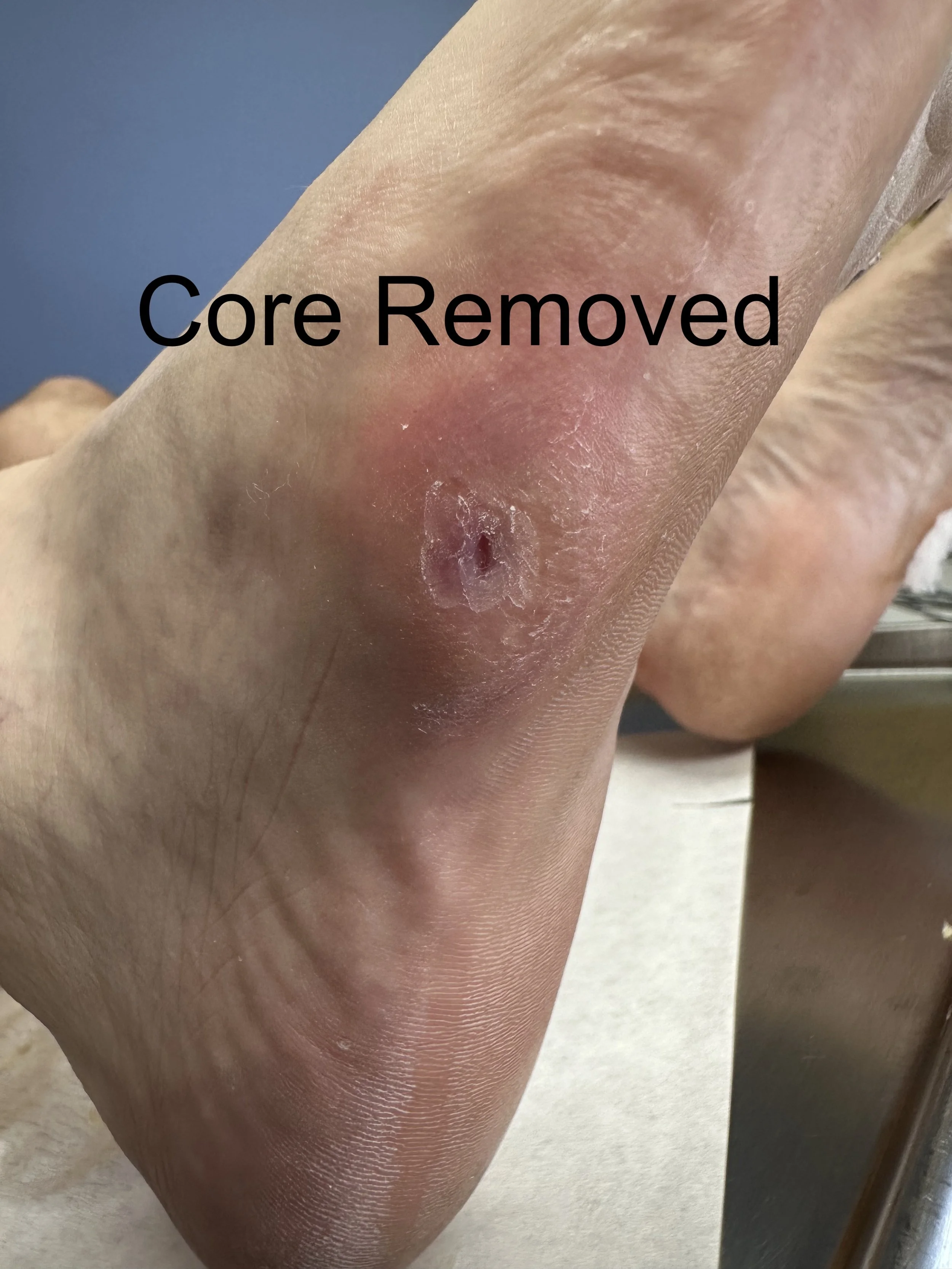
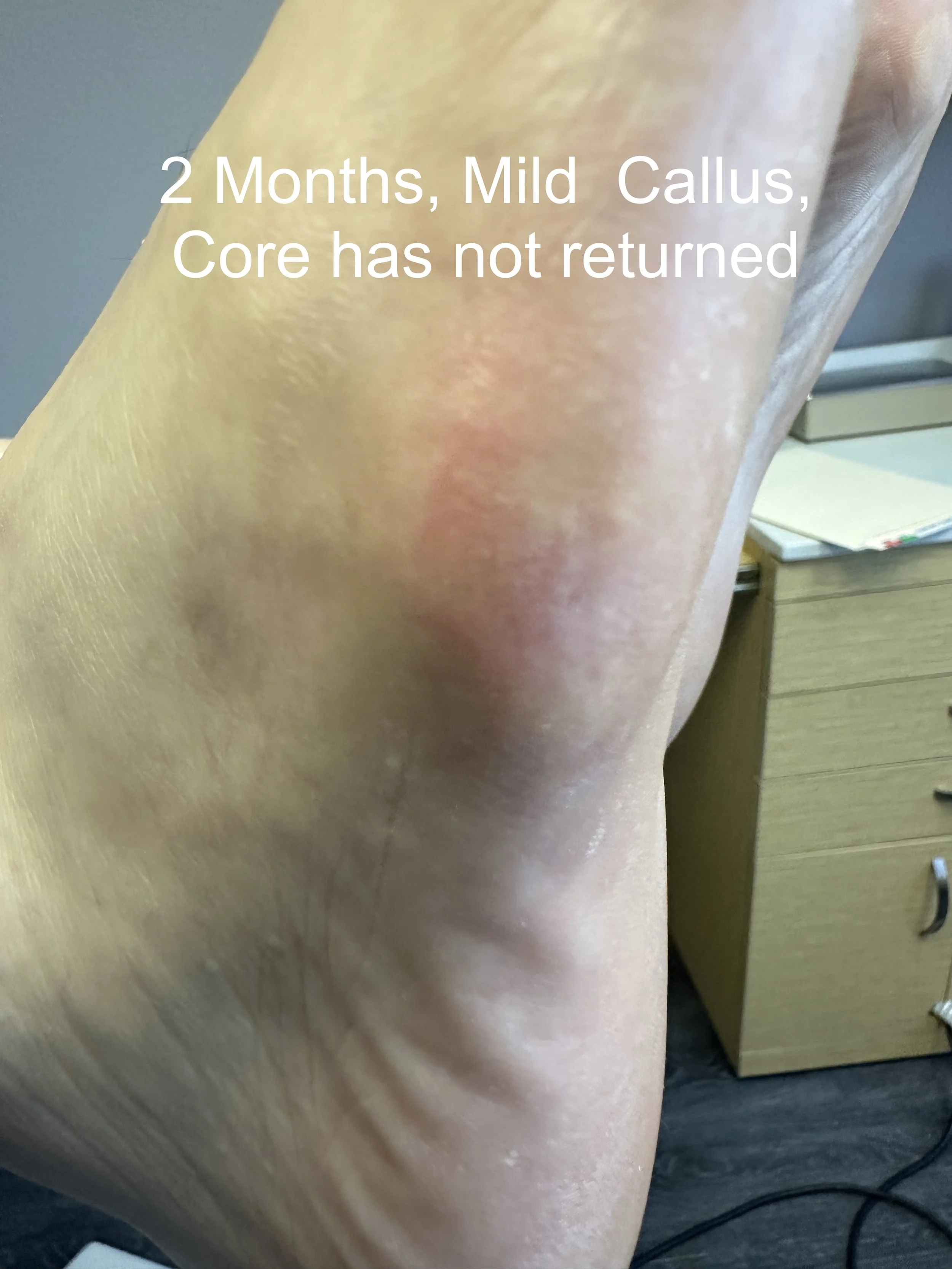
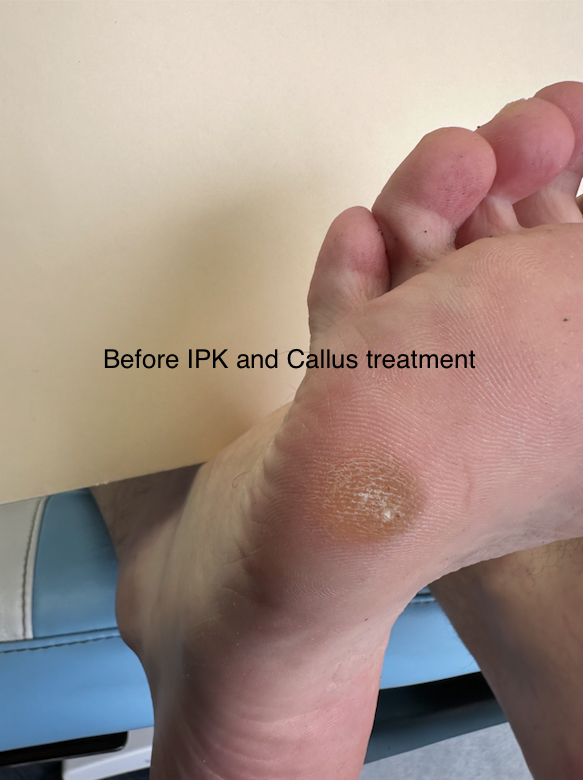
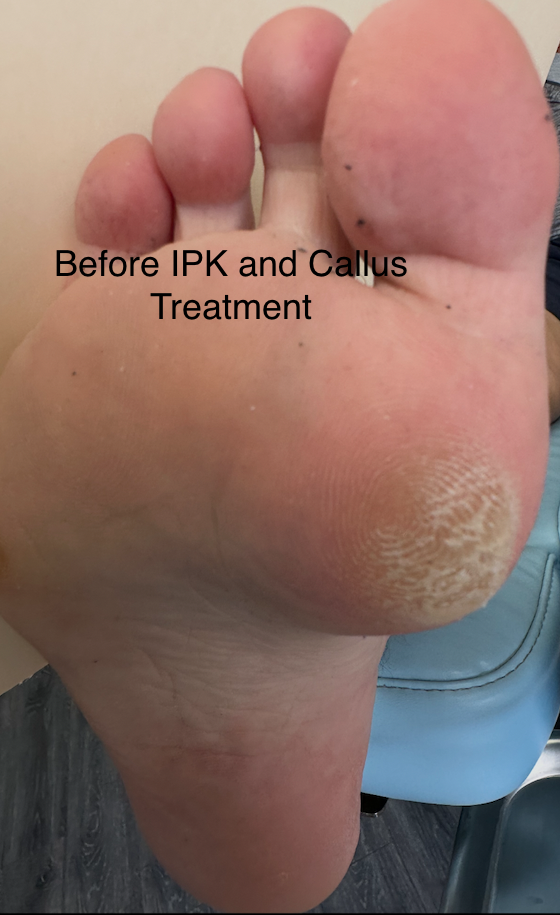
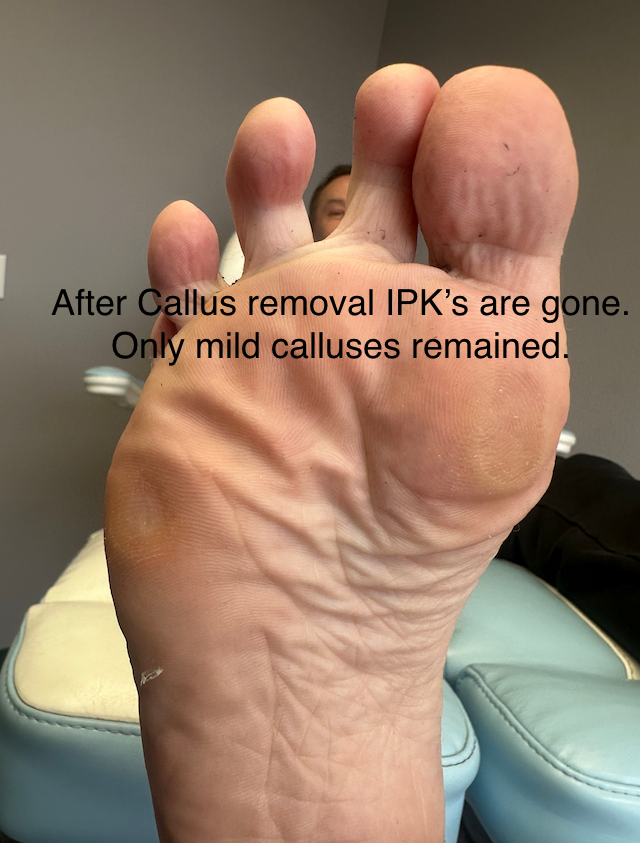
This patient had multiple IPK’s on each foot.
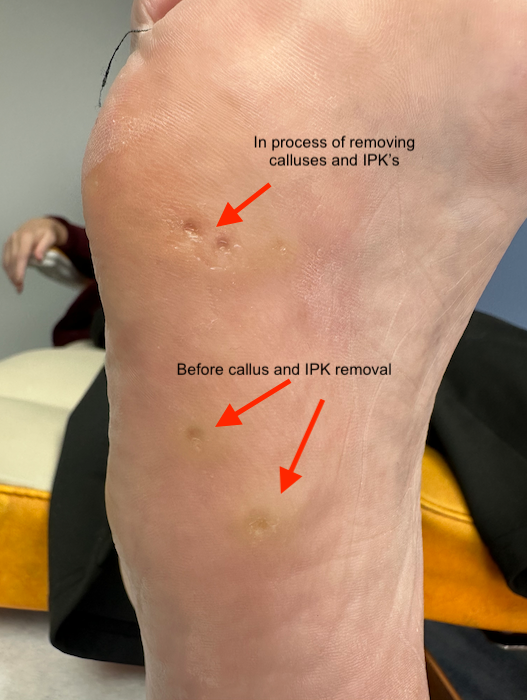
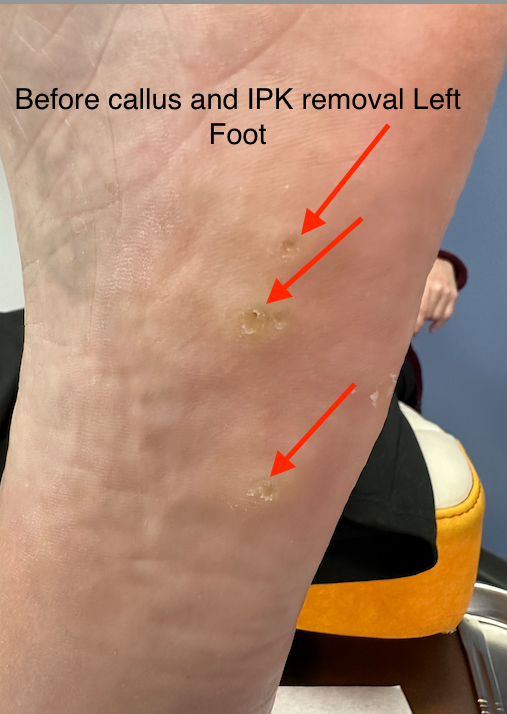
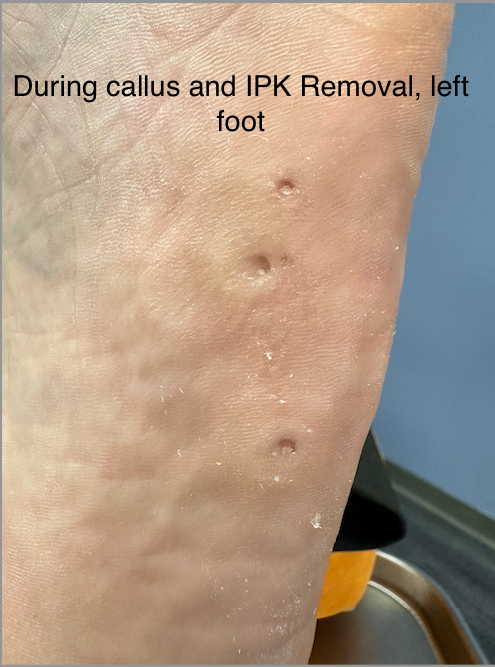
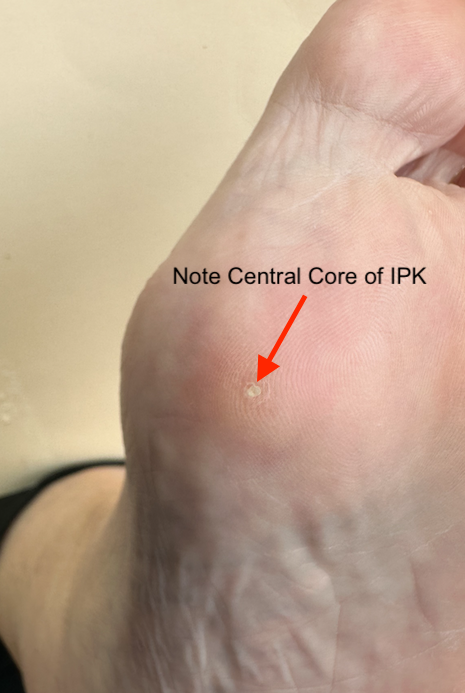
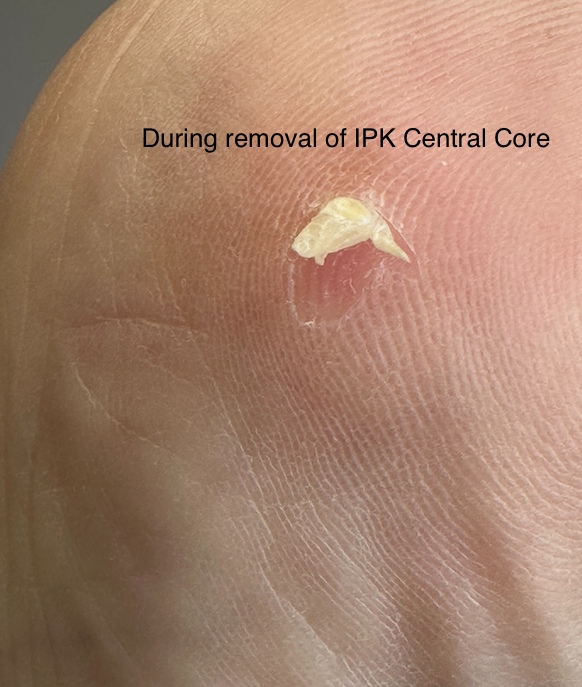
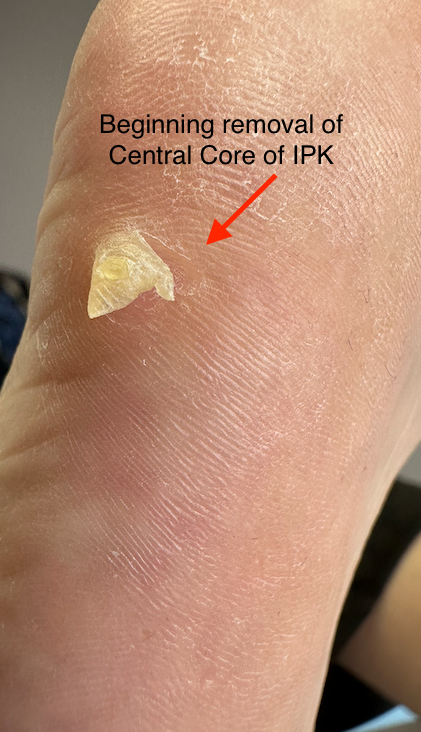
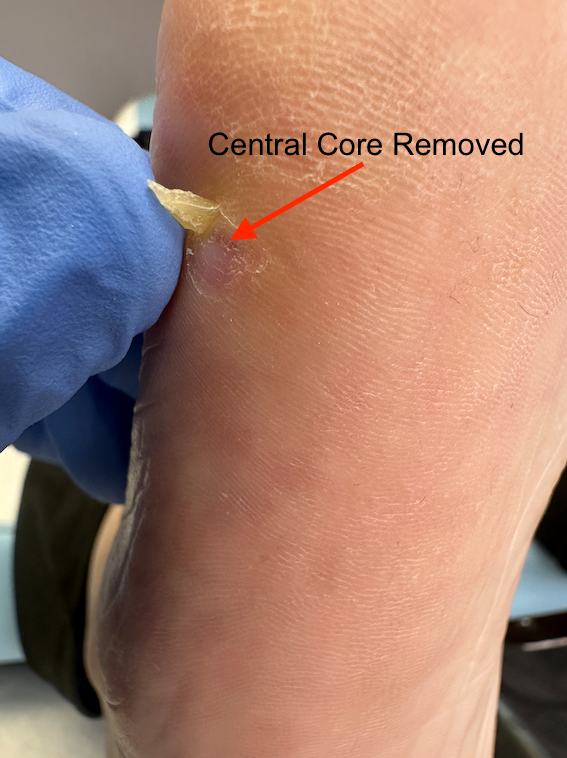
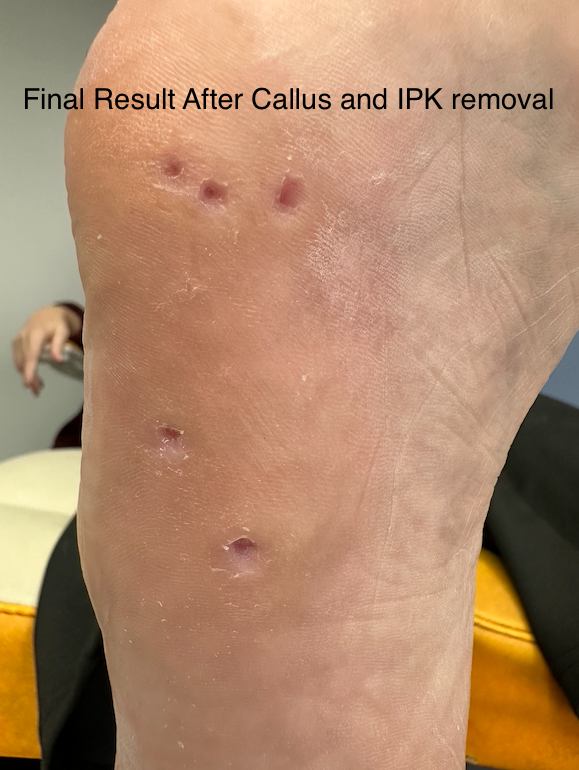
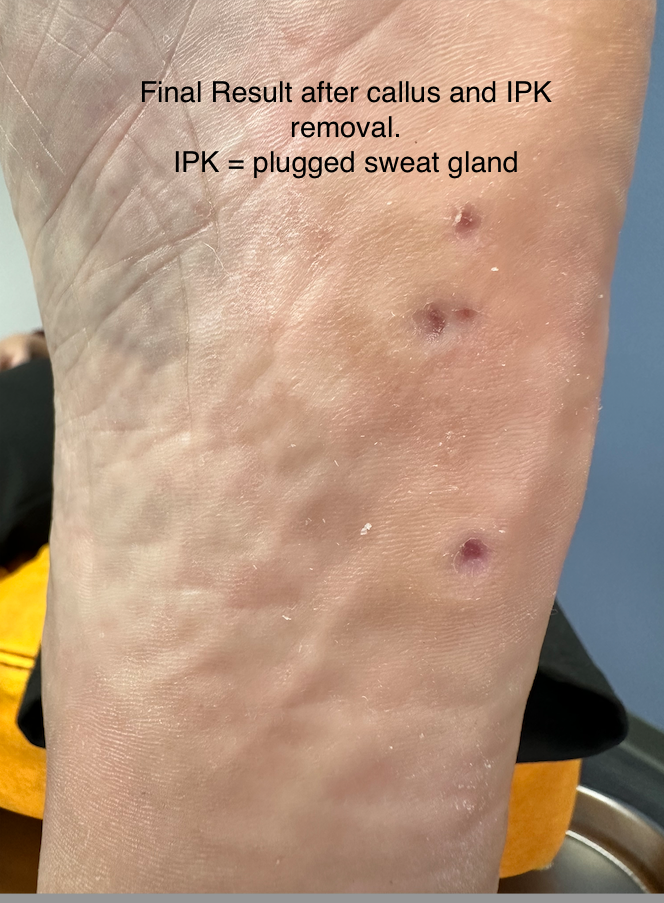
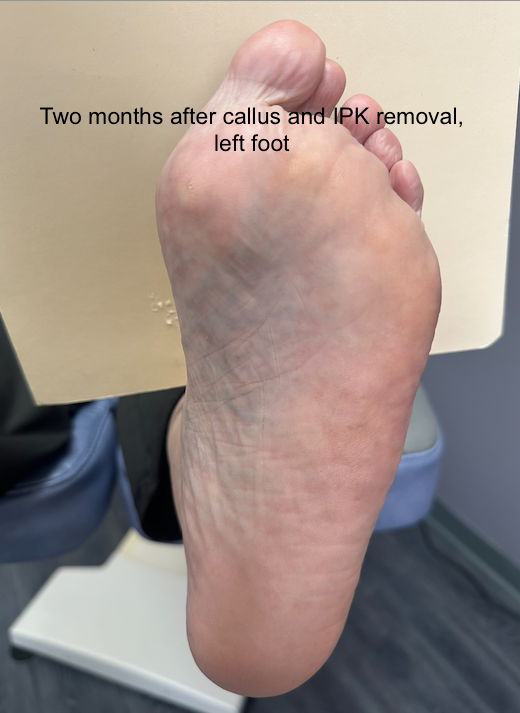
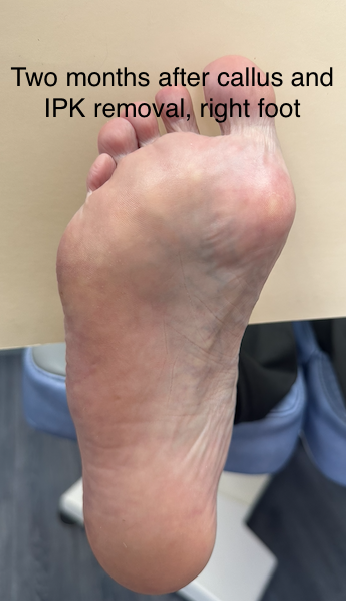
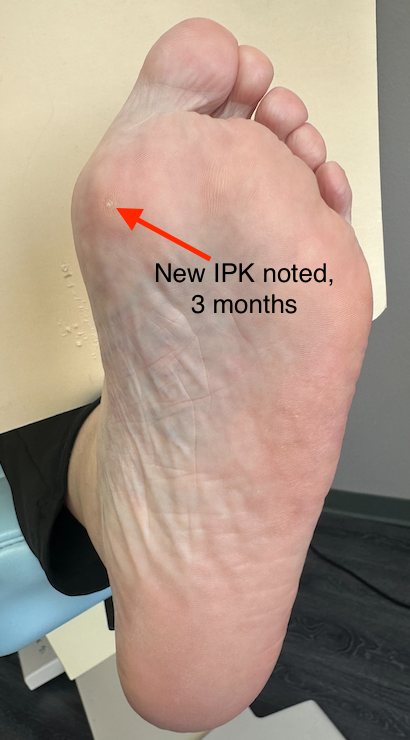
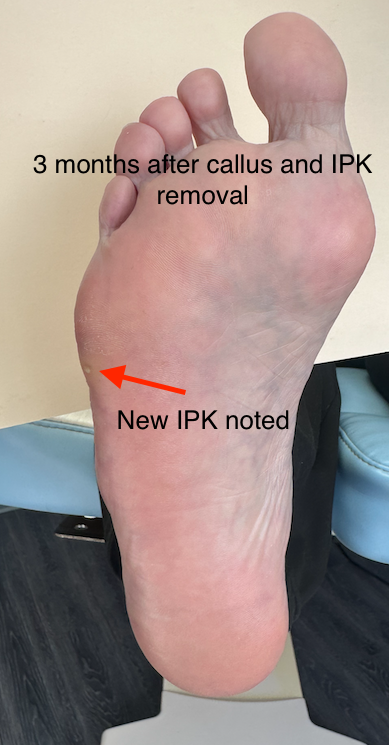
Don’t suffer with an IPK, book your appointment today!
Why IPK’s Happen?
IPKs are almost always caused by excess pressure in one spot, often from:
Bone structure (Prominent Metatarsal Head)
Foot deformities (like Hammertoes)
Tight shoes or high heels
Abnormal gait / walking pattern
👉 In other words: your foot mechanics can create a pressure hotspot
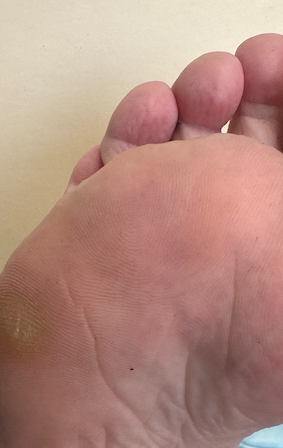
Real Patient, Severe IPK’s Before & After
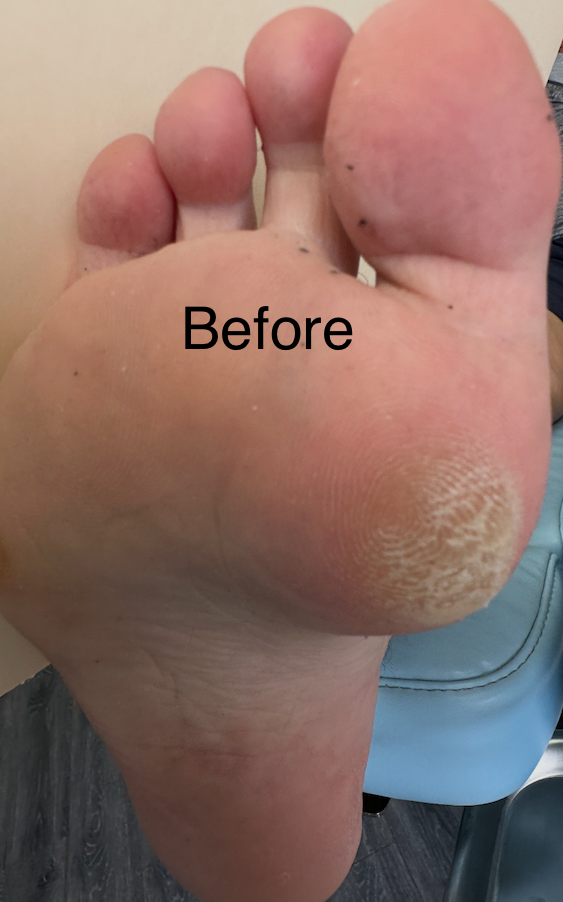
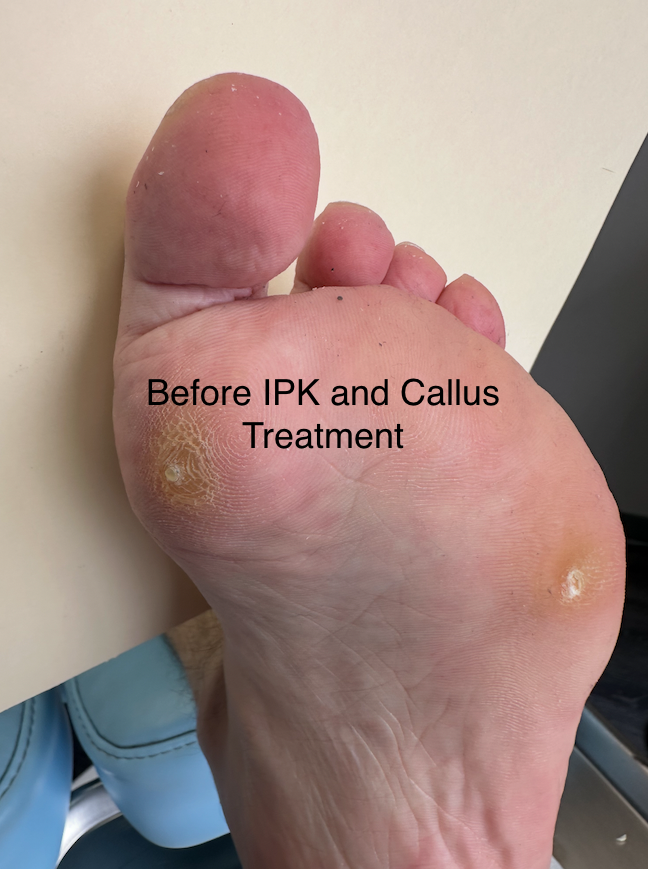
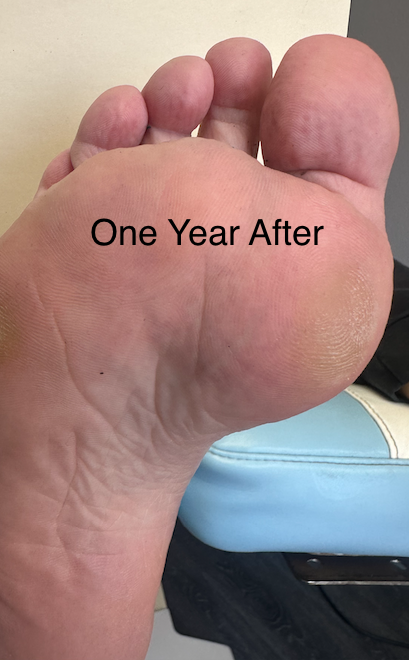
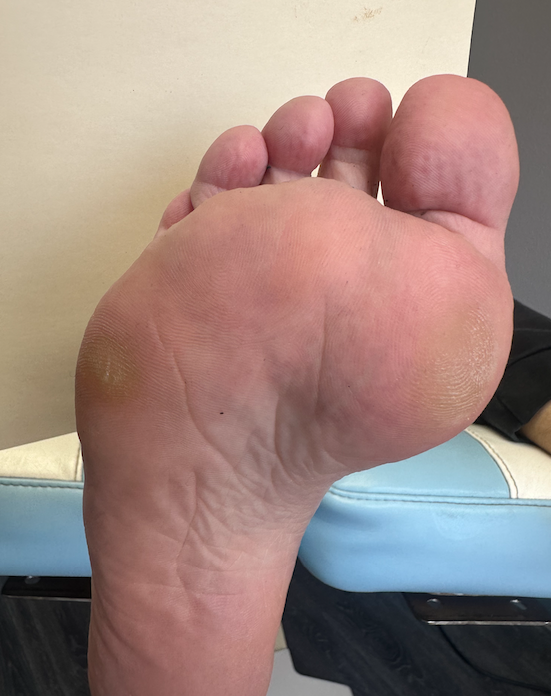
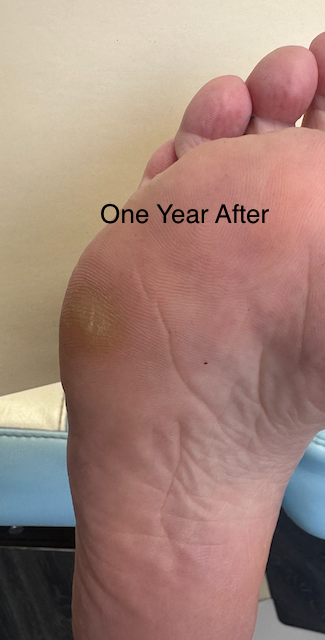
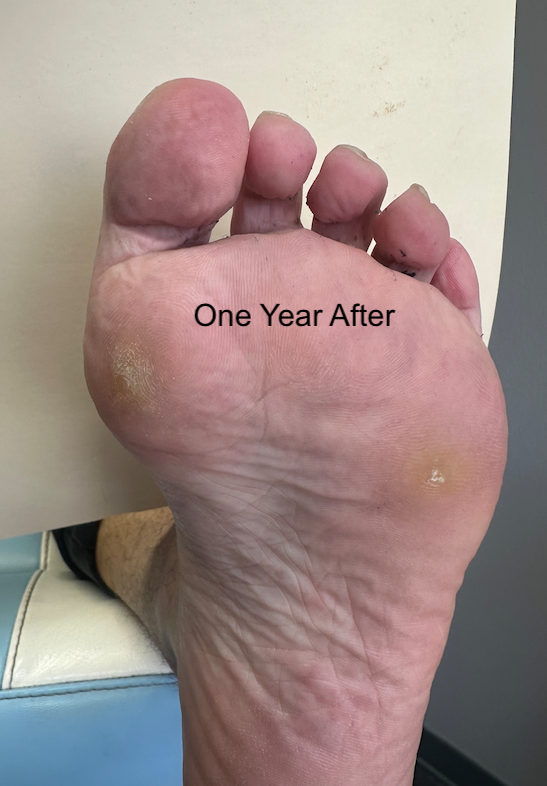
How it’s treated
Short-term relief
Professional debridement (trimming it down)
Padding / offloading the pressure
Keratolytic creams (like Urea)
Long-term fix (this is what actually matters)
Dr. Roth’s proprietary procedure to
Also, Perfect Posture Orthotics will redistribute pressure and reduce potential for reoccurrence.
Dr. Roth’s proprietary post treatment care protocol.
Don’t tolerate that uncomfortable feeling of having an IPK.
The patient below was struggling for weeks before having this treated.
Real Patient, Severe IPK’s Before & After
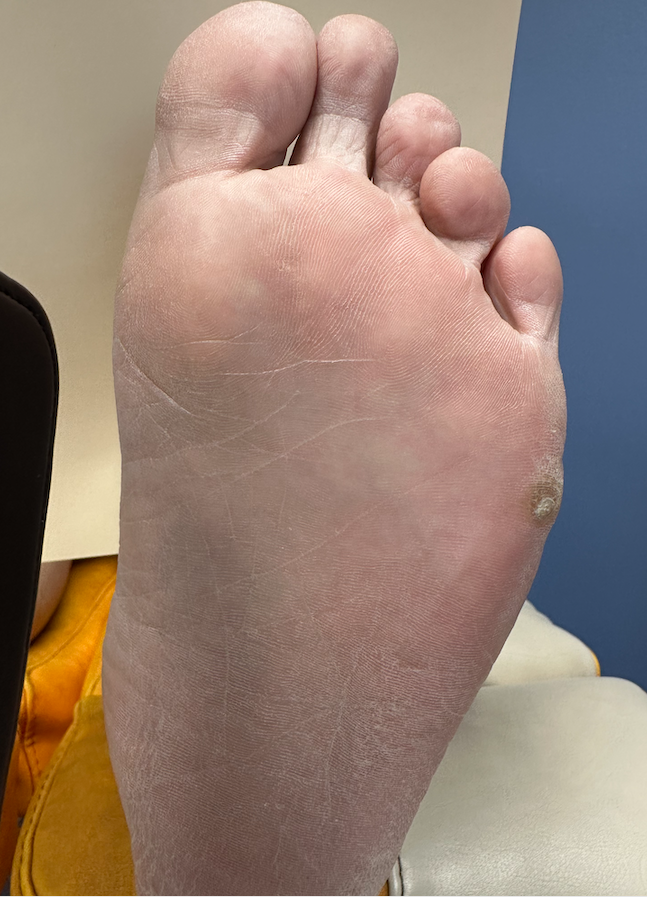
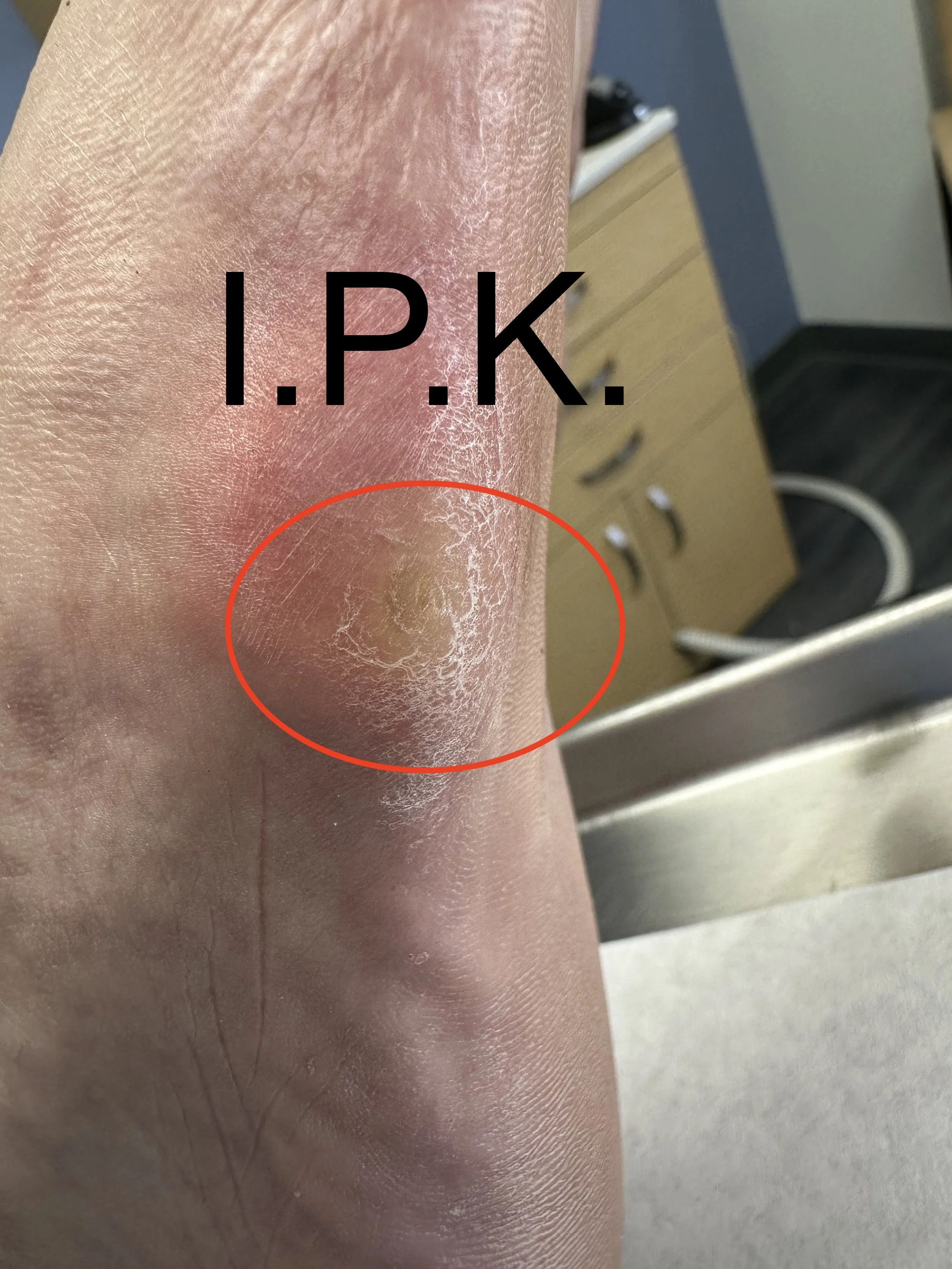
Initial photo pre treatment
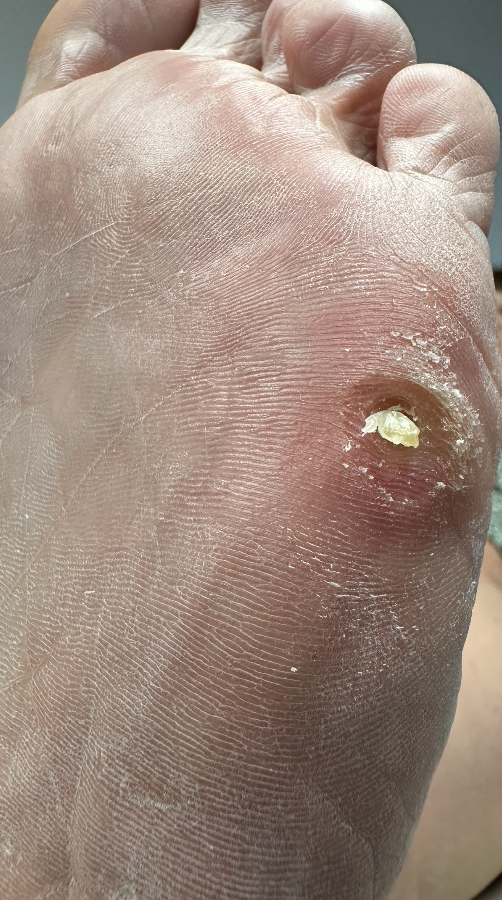
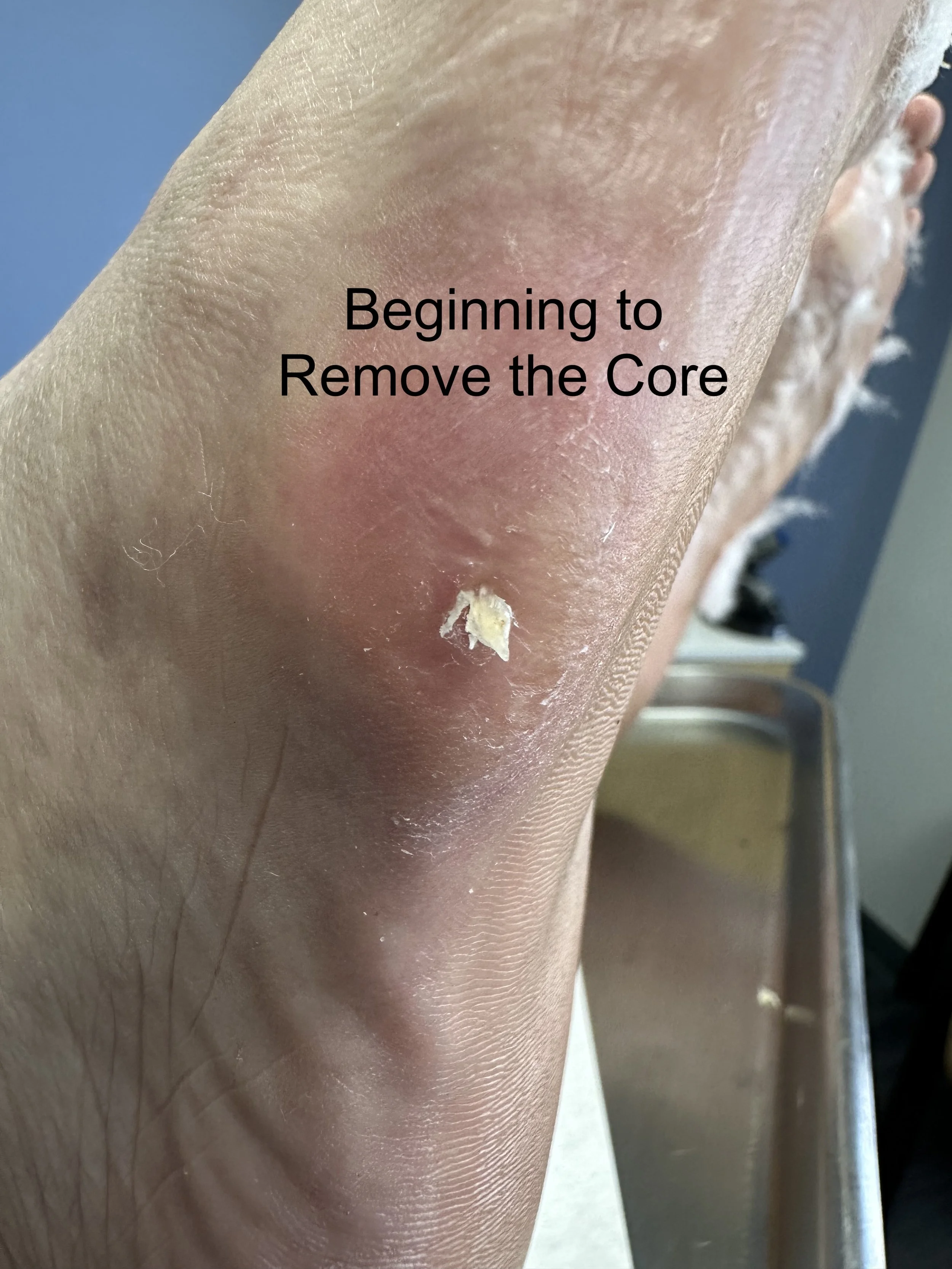
During callus removal
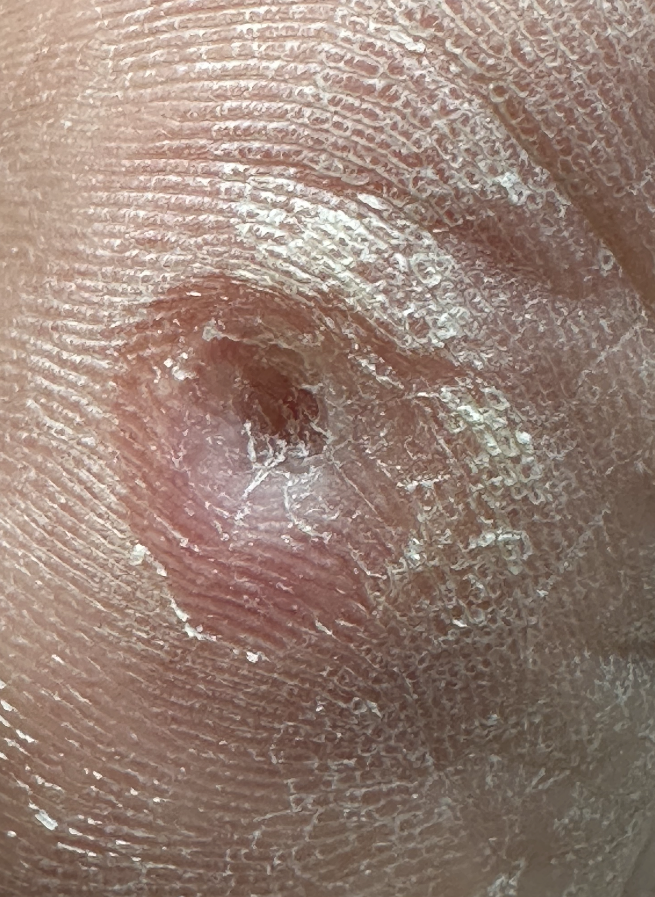
Close-up of a human fingertip with visible fingerprint ridges, a small wound or blister, and some dried skin or residue.
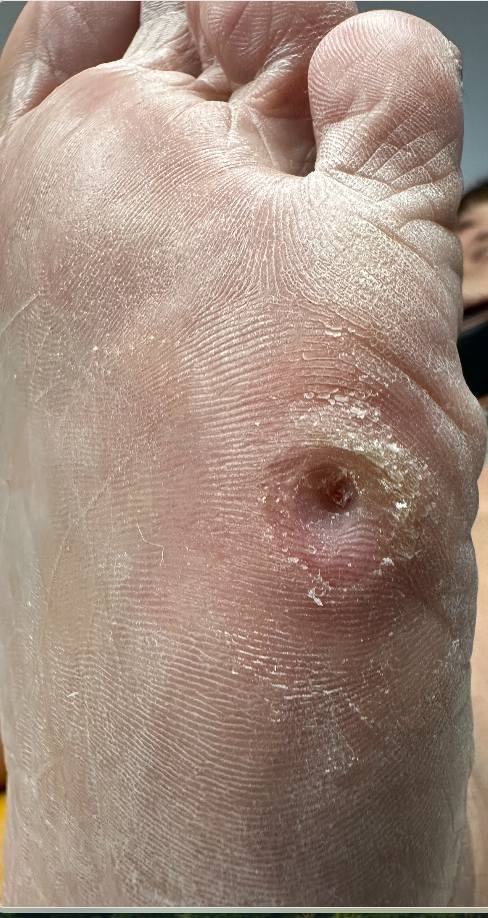
After core removal
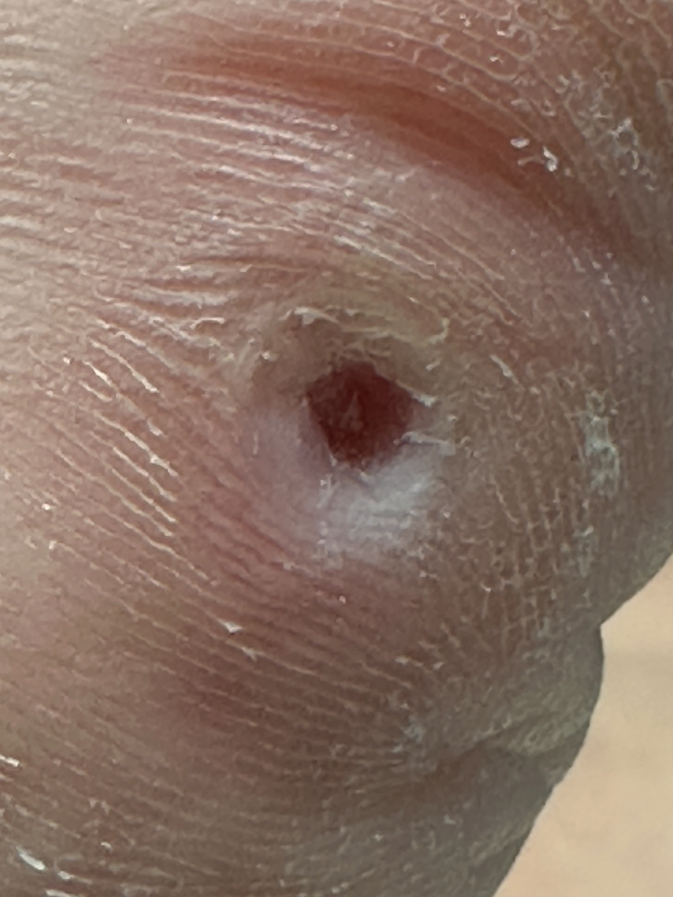
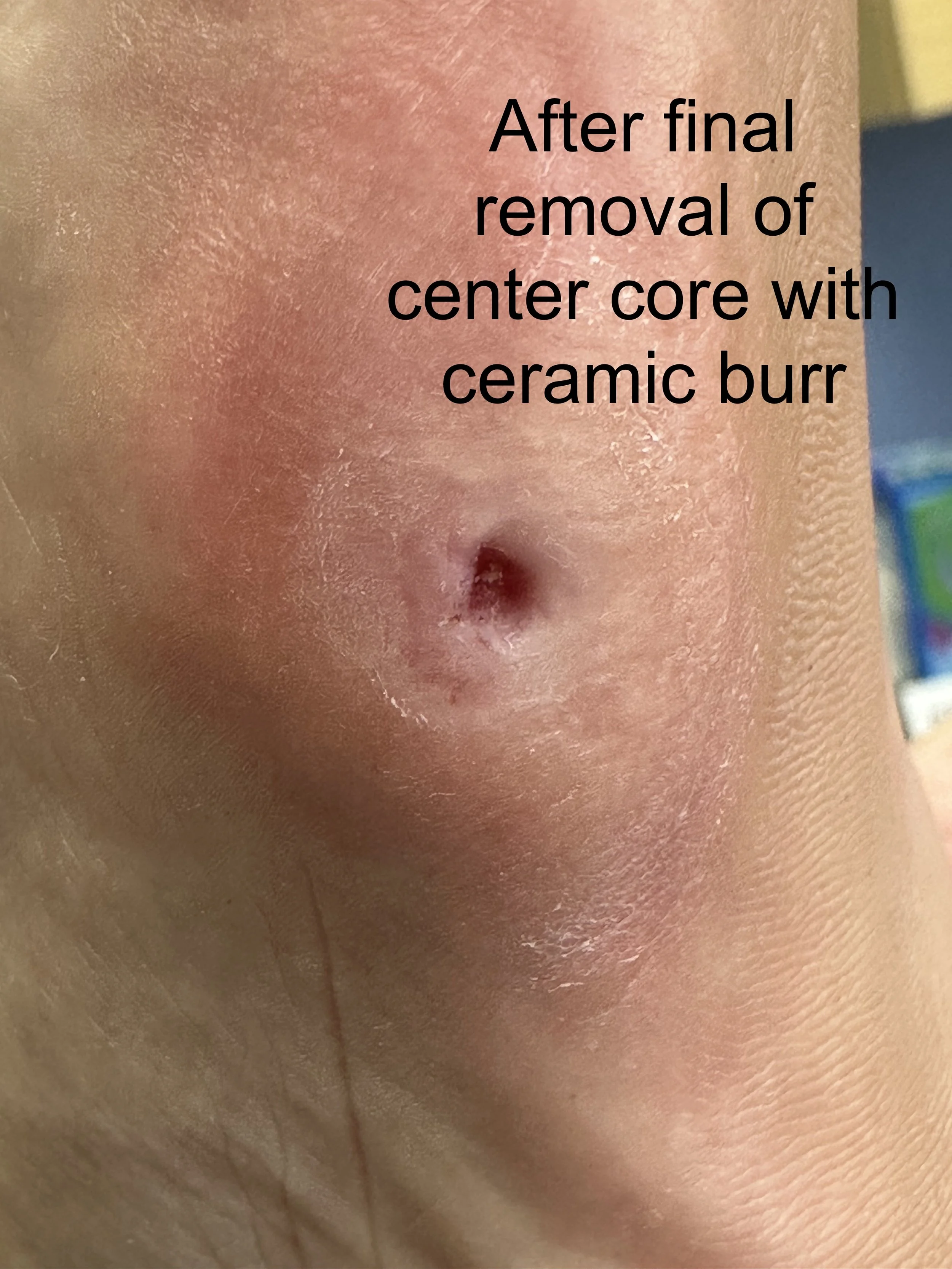
After final removal of center core with ceramic burr
What people get wrong
Most people treat an IPK like a cosmetic issue. It’s not.
It will keep coming back unless you fix the pressure causing it.
When to see a podiatrist
Pain when walking
Keeps returning after trimming
You’re unsure if it’s a wart vs IPK
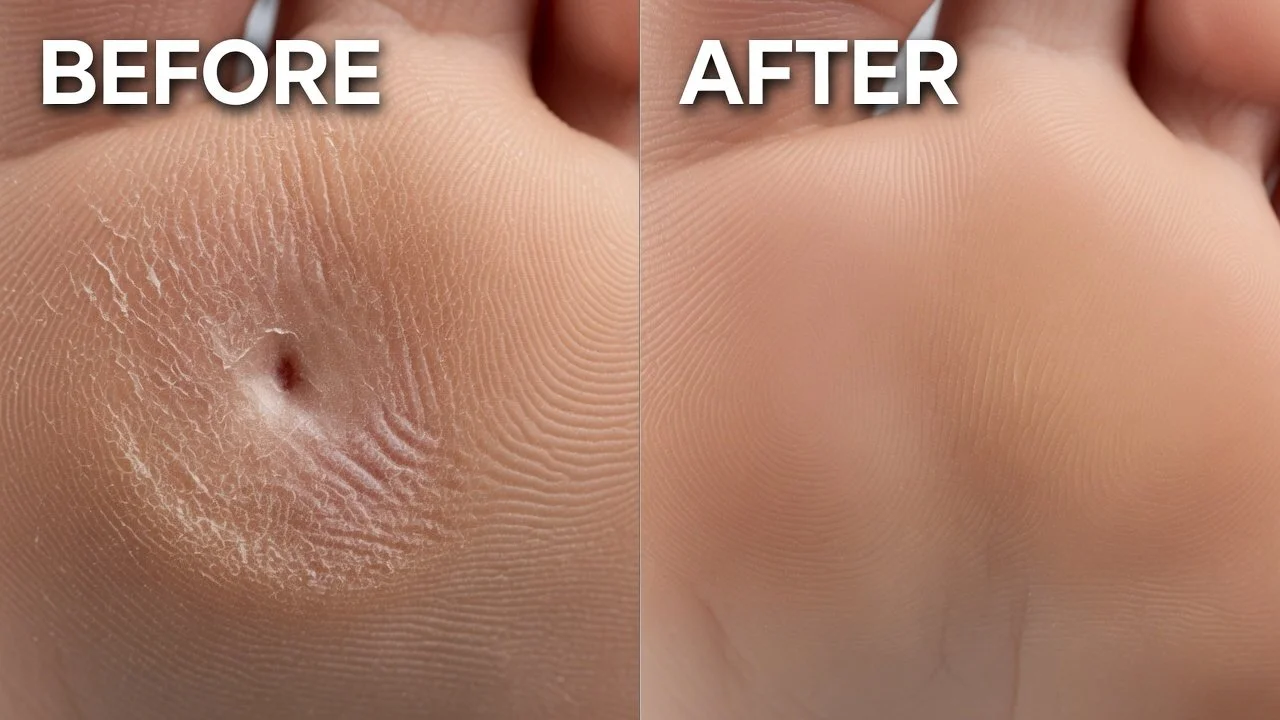
Dr. Roth explains the Concierge Advantage when it comes to treating IPK’s. (Intractable Plantar Keratosis)
Intractable Plantar Keratosis
Watch as Dr. Roth explains the Concierge Advantage when treating painful IPK’s. Dr. Roth gets to the “core” of the problem when others are unable. Find out how you can regain your confidence when walking and get rid of the pain.
Can IPK’s be cured?
Dr Roth explains his unique technique for treating IPK’s and how patients respond. Special information you don’t want to miss!